

RFID Glove Integrity Tester for GMP Isolator Testing and Data Integrity
RFID Glove Integrity Tester for GMP Isolator Testing and Data Integrity
Choosing the Right Glove Integrity Tester for Aseptic Pharmaceutical Manufacturing
In pharmaceutical aseptic manufacturing, selecting the right Glove Integrity Tester is an important equipment decision for maintaining reliable isolator and RABS operations.
Glove testing is not only about detecting leakage. For pharmaceutical manufacturers, the real challenge is creating a complete connection between the tested glove, testing location, operator activity, and historical record.
As production facilities expand, quality teams often manage hundreds or even thousands of glove test records across multiple isolators, glove ports, and production campaigns. During an audit or deviation investigation, the ability to quickly confirm the integrity history of a specific glove becomes critical.
For example, a pharmaceutical manufacturer operating several isolators may need to review the test history of one glove installed on a specific port from a previous production batch. If the record depends on manual notes or separate files, confirming the information can take significant time. A traceable electronic system creates a much clearer path from the physical glove to the final test record.
This is why pharmaceutical companies are increasingly evaluating RFID-based solutions when purchasing a Glove Integrity Tester.
MedIntegrity develops pharmaceutical integrity testing equipment for aseptic manufacturing applications, including RFID-enabled glove integrity testing systems, sterile filtration integrity testing solutions, and container closure integrity testing (CCIT) equipment.
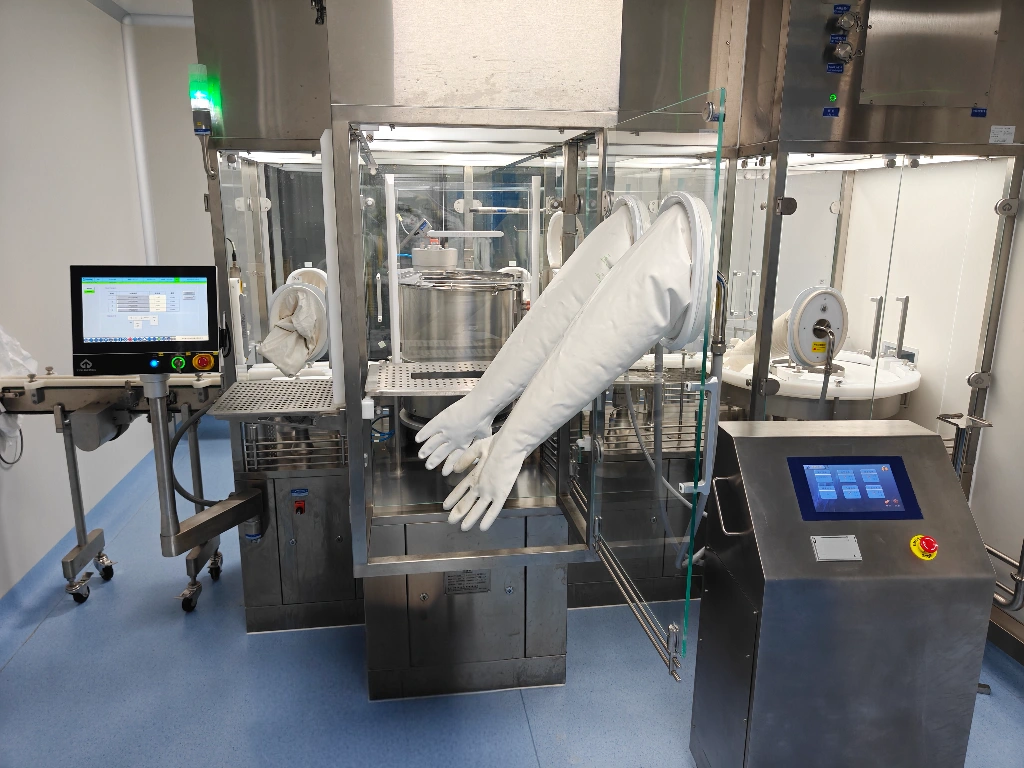
Why Pharmaceutical Manufacturers Need Better Glove Integrity Test Traceability
Managing Glove Identification in Isolator and RABS Systems
Gloves installed on isolators and RABS systems are important components of the barrier protection process. Regular integrity verification helps manufacturers confirm that glove assemblies continue to meet operational requirements.
ISO 14644-7 Annex E.5 identifies pressure decay testing as a suitable method for verifying glove integrity by monitoring pressure changes and identifying potential leakage conditions.
However, testing performance is only one part of the process.
For modern pharmaceutical facilities, the testing system must also answer:
- Which glove was tested?
- Which port does the glove belong to?
- When was the test completed?
- Can the historical data be retrieved during an audit?
A reliable isolator glove tester should provide both measurement capability and traceable documentation.
Preventing Wrong-Glove, Wrong-Port, and Missing-Record Deviations
One common challenge in pharmaceutical production is not performing the glove test itself, but managing the information generated by repeated testing activities.
When facilities operate multiple isolators, manual identification can create risks such as:
- Incorrect glove number entry
- Wrong port association
- Missing historical records
- Longer deviation investigations
An RFID-enabled Glove Integrity Tester helps create a direct relationship between glove identification and electronic test records.
For QA and validation teams, this provides:
- More accurate record management
- Faster investigation processes
- Better audit preparation
- Reduced dependence on manual documentation
How RFID Technology Improves Glove Integrity Testing Data Management
RFID Glove Identification Creates Reliable Test History
RFID technology allows physical components to be connected with digital information.
In glove integrity testing applications, RFID glove identification helps associate individual gloves with their corresponding testing history.
MedIntegrity WGT series systems support RFID-based identification methods, allowing pharmaceutical manufacturers to create a clearer connection between glove information and test records.
This is especially valuable for companies managing:
- Multiple isolator systems
- Frequent glove testing schedules
- Large volumes of historical records
Supporting GMP Compliance and Electronic Data Requirements
For pharmaceutical manufacturers, GMP compliance requires more than storing a pass/fail result.
Testing records should be:
- Traceable
- Reviewable
- Protected through controlled access
- Available during quality investigations
A suitable pharmaceutical testing equipment solution should support:
- Electronic records
- Audit trail functions
- User access management
- Historical data review
- Data export
MedIntegrity WGT systems support four-level user management and functions related to FDA 21 CFR Part 11 electronic records and audit trail requirements.
For companies searching for a Glove Integrity Tester manufacturer, data management capability has become an important factor in equipment selection.
How to Select a Glove Integrity Tester for Pharmaceutical Applications
Key Purchasing Factors for Pharmaceutical Manufacturers
When selecting a pharmaceutical testing equipment supplier, purchasing teams usually evaluate several factors together with QA and engineering departments.
Important considerations include:
| Selection Factor | Why It Matters |
| RFID glove identification | Reduces manual identification risks |
| Pressure decay testing | Provides quantitative integrity verification |
| Electronic records | Supports GMP documentation |
| Audit trail capability | Improves review and traceability |
| System compatibility | Fits existing isolator/RABS workflows |
| Technical support | Supports long-term operation |
The best isolator glove tester supplier should provide not only testing equipment but also application knowledge and long-term technical support.
MedIntegrity Glove Integrity Tester Solutions for Pharmaceutical Manufacturing
MedIntegrity is a pharmaceutical integrity testing equipment manufacturer focused on supporting aseptic manufacturing processes.
The company provides solutions covering:
- Glove Integrity Testing
- Sterile Filtration Integrity Testing
- Container Closure Integrity Testing (CCIT)
This broader integrity testing portfolio allows pharmaceutical manufacturers to work with one supplier for multiple critical testing requirements.
WGT-1000 vs WGT-1200: Choosing the Right Glove Integrity Tester
Different pharmaceutical facilities have different testing requirements. Selecting between WGT-1000 and WGT-1200 depends mainly on testing scale, workflow complexity, and data management needs.
| WGT-1000 | WGT-1200 | |
| Primary application | Routine glove integrity testing | Multi-unit testing management |
| Best suited for | Facilities with standard testing workflows | Facilities managing multiple testing points |
| Identification | RFID-based glove identification | RFID/manual identification options |
| Communication | Standard data management | Wireless communication support |
| Record management | Electronic records and audit functions | Enhanced management for larger workflows |
WGT-1000: Practical Solution for Routine Glove Integrity Testing
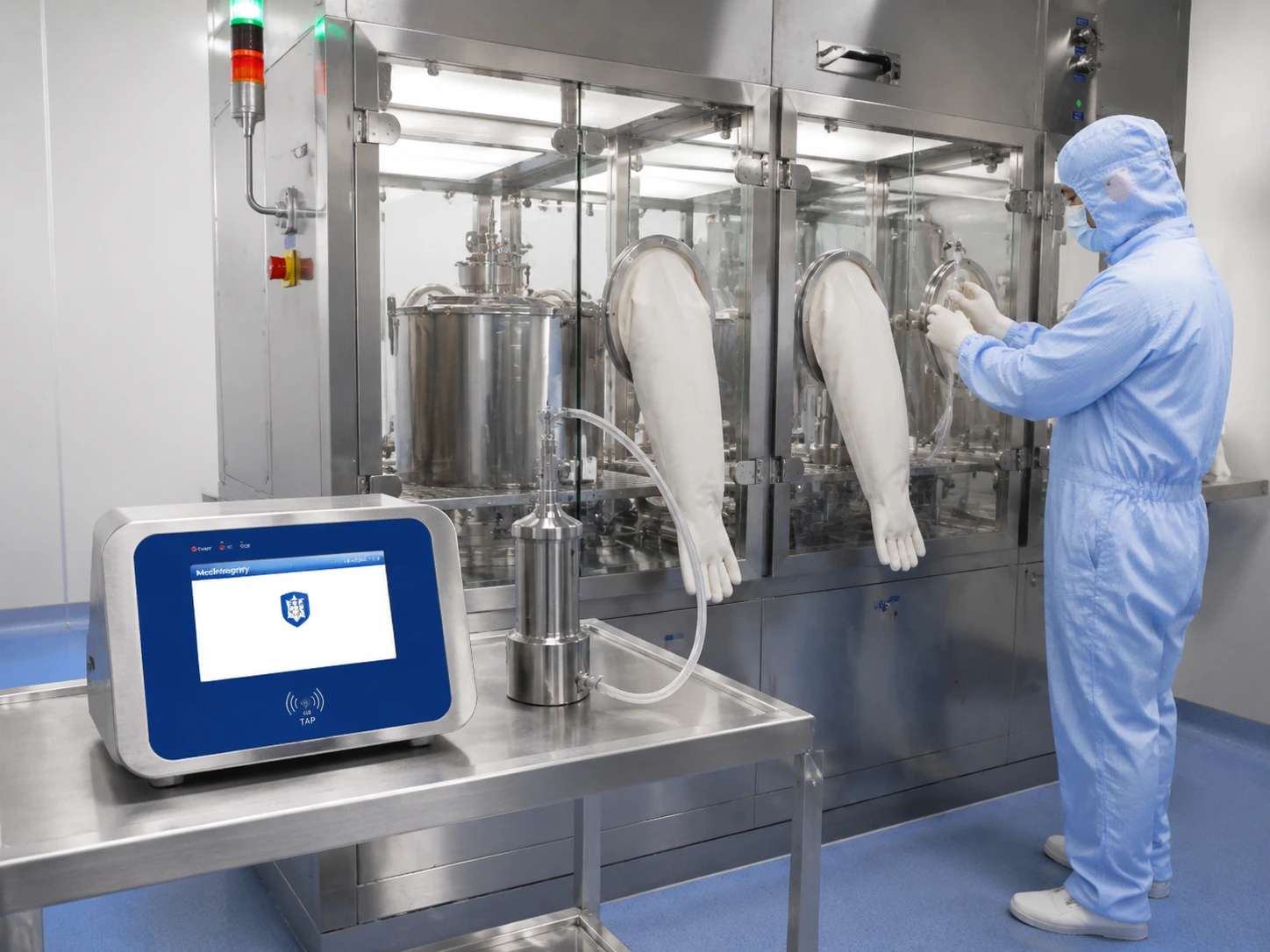
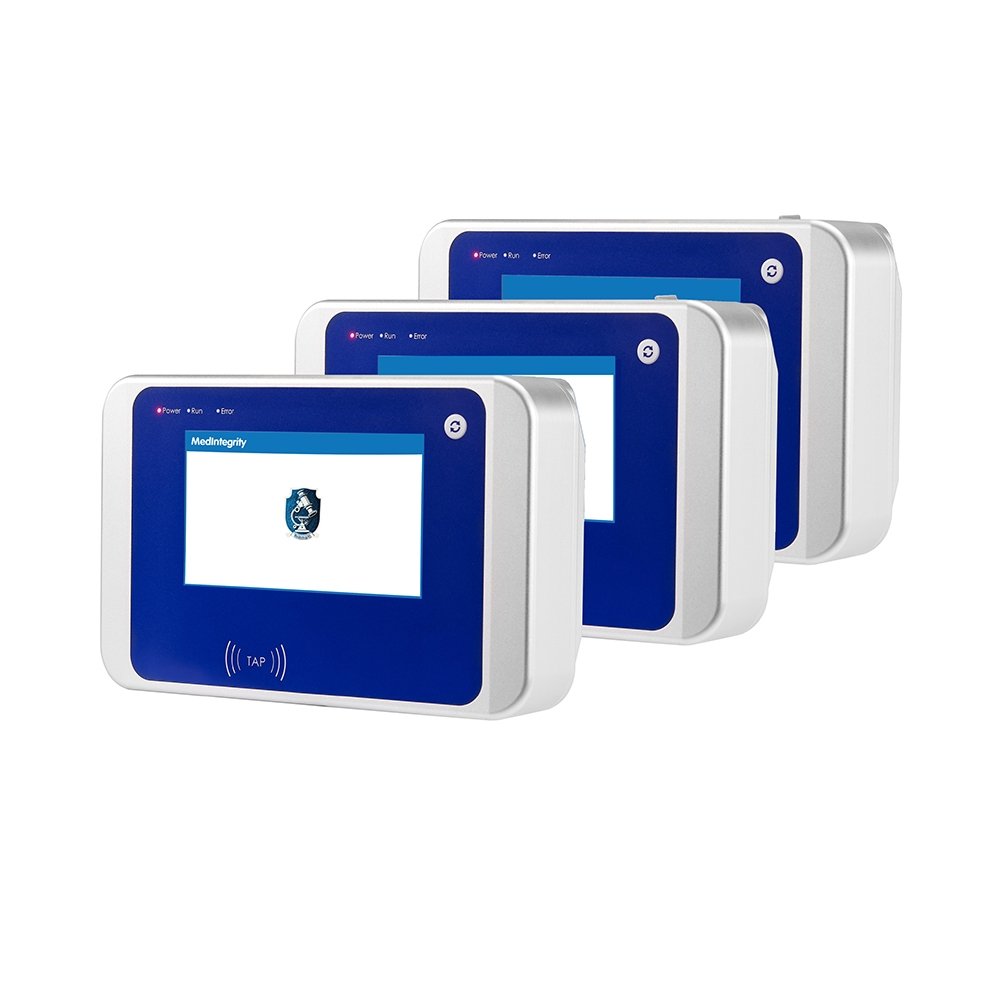
The MedIntegrity WGT-1000 is designed for pharmaceutical manufacturers requiring reliable daily glove integrity verification.
It is suitable for facilities that need:
- Routine isolator glove testing
- Clear electronic records
- RFID glove identification
- Straightforward operation
WGT-1000 provides a practical solution for companies looking for a reliable Glove Integrity Tester without unnecessary complexity.
WGT-1200: Advanced Solution for Multi-Unit Pharmaceutical Testing
The MedIntegrity WGT-1200 is designed for pharmaceutical facilities requiring greater flexibility in managing multiple glove testing activities.
It is suitable for:
- Multiple isolator environments
- Larger production facilities
- Centralized testing workflows
With wireless communication and multi-unit management capability, WGT-1200 helps companies improve coordination between different testing locations.
For pharmaceutical manufacturers evaluating advanced pharmaceutical integrity testing equipment, WGT-1200 provides additional flexibility for complex aseptic processing environments.
Comparing Glove Integrity Tester Solutions for Pharmaceutical Buyers
When comparing suppliers, pharmaceutical companies should evaluate complete workflow performance rather than only basic testing capability.
| Evaluation Area | Traditional Approach | MedIntegrity WGT Series |
| Glove identification | Manual confirmation | RFID-based identification |
| Record management | Separate documentation | Electronic traceability |
| Historical review | Manual searching | Structured records |
| Multiple testing points | Operator coordination | Wireless management options |
| Application support | Varies by supplier | Pharmaceutical-focused solutions |
The right Glove Integrity Tester supplier should help manufacturers improve daily operations while supporting GMP documentation requirements.
Why Choose MedIntegrity as a Pharmaceutical Integrity Testing Equipment Partner
Selecting pharmaceutical equipment is a long-term investment. Manufacturers need suppliers that understand both testing requirements and production workflows.
MedIntegrity provides:
- Pharmaceutical integrity testing equipment
- Glove integrity testing solutions
- Sterile filtration integrity testing systems
- CCIT solutions
- Application-focused technical support
With RFID identification, electronic records, and flexible configurations, MedIntegrity helps pharmaceutical manufacturers establish more reliable integrity testing workflows.
Conclusion
For pharmaceutical manufacturers, choosing a Glove Integrity Tester is not only a technical decision. It is a decision about traceability, documentation control, and long-term GMP compliance.
RFID technology helps connect glove identification, testing activities, and historical records into a more controlled workflow. By combining pressure decay testing, RFID glove identification, and electronic data management, MedIntegrity supports pharmaceutical companies operating isolator and RABS systems.
As a pharmaceutical integrity testing equipment manufacturer, MedIntegrity provides solutions designed around real production requirements.
Contact MedIntegrity for technical consultation and application evaluation to identify the suitable glove integrity testing configuration for your aseptic manufacturing process.
FAQs
Q1: What should pharmaceutical companies consider when purchasing a Glove Integrity Tester?
A: Buyers should evaluate testing accuracy, traceability, GMP requirements, data management, and system compatibility.
Q2: What is the difference between WGT-1000 and WGT-1200?
A: WGT-1000 supports routine testing, while WGT-1200 provides wireless multi-unit management for complex workflows.
Q3: Why is RFID glove identification important in pharmaceutical manufacturing?
A: RFID links glove information with test records, reducing identification errors and improving traceability.
Q4: How does MedIntegrity support pharmaceutical integrity testing requirements?
A: MedIntegrity provides glove, filtration, and CCIT solutions for aseptic pharmaceutical manufacturing applications.
Q5: How can companies choose the right isolator glove tester supplier?
A: Companies should consider equipment capability, application experience, technical support, and long-term reliability.
 English
  Russian
  Spanish
  Portuguese
  German
  French
  Italian
  Arabic
  Dutch
Dutch  Japanese
  Vietnamese
  Korean
  Malay
Malay  Thai
Thai