
TOC Analysis in Biopharma Water Systems: 2026 Regulatory Compliance Guide
TOC Analysis in Biopharma Water Systems: 2026 Regulatory Compliance Guide
Introduction
Biopharma teams keep a close eye on water purity. After all, Purified Water and Water for Injection form the backbone of everything from media prep to final fill. TOC analysis in biopharma water systems delivers that critical early signal when organic contaminants creep in. Come July 2026, the European Pharmacopoeia rolls out updates that align even closer with USP expectations. Facilities running cell and gene therapy lines feel this shift most. A single excursion can halt batches worth millions. That is why TOC monitoring pharmaceutical water systems has moved from nice-to-have to must-have.
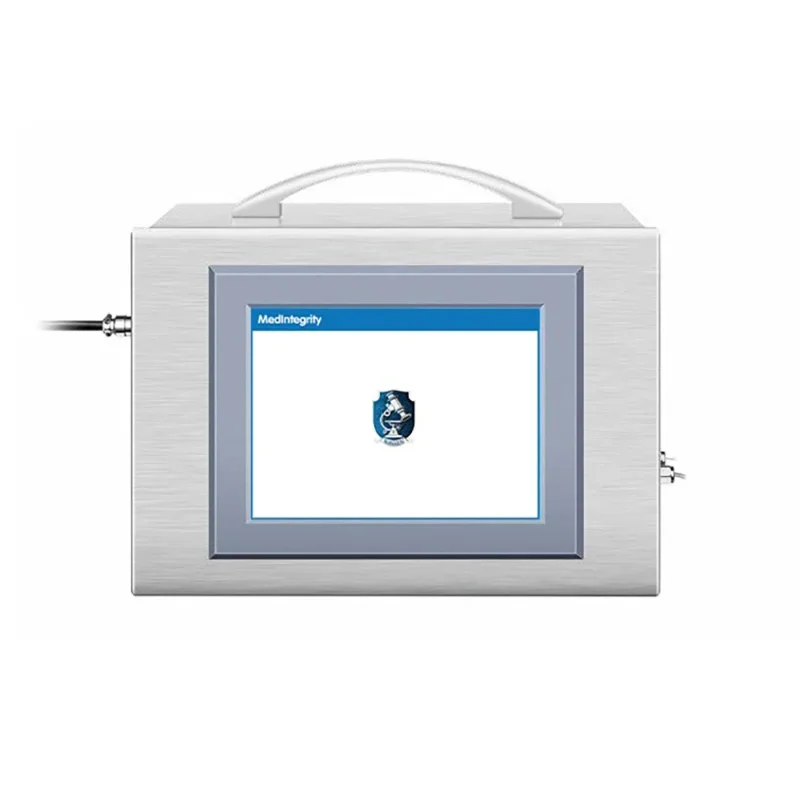
MedIntegrity stands out here as a go-to name in pharmaceutical instrumentation. Their Total Organic Carbon Analyzer series, built for regulated environments, helps facilities stay ahead of tightening rules. Take the TA-3.0 model, for instance. It handles real-time monitoring with solid accuracy and a waterproof build that fits right into busy production suites.
The Role of TOC Analysis in Pharma Water Systems
Why TOC Matters in PW and WFI
In purified water (PW) and water for injection (WFI) systems, even minor organic pollution can harm later processes. TOC functions as a broad signal. It does not pinpoint exact substances. But it swiftly indicates when issues arise.
A standard WFI loop that functions well often displays TOC levels far under 500 ppb. If that figure shifts just a bit, skilled workers begin to investigate. At times, it stems from a seal problem. Other times, it comes from buildup in an unused section. Regardless, TOC spots it promptly.
Measurement Principles in Practice
Many current setups depend on breakdown followed by NDIR sensing. Typical techniques encompass:
- UV/persulfate breakdown for ongoing online checks
- High-temperature burning for lab confirmation
Each approach involves compromises. Online setups excel in quickness and steadiness. Meanwhile, lab techniques continue to aid in approval and double-checking.
Regulatory Expectations Moving Toward 2026
USP <643> and EP Alignment
The positive aspect is that USP <643> and EP 2.2.44 match up closely. The difficulty rests in carrying it out, not in understanding it.
Main demands cover:
- System suitability testing using sucrose and benzoquinone
- Defined TOC limits for PW and WFI
- Routine calibration and documented performance checks
A modest yet notable change in recent times emphasizes ongoing management. Passing approval once is no longer sufficient. Systems must stay under control at all times.
Data Integrity Is No Longer Optional
Regulators now scrutinize data management more closely. Audit records, time stamps, and user permissions rank as usual requirements.
A TOC analyzer that delivers precise results but poor records can still cause compliance problems. Thus, integrated data integrity tools—matched to 21 CFR Part 11 and Annex 11—matter as much as sensitivity levels.
TOC in Advanced Biopharma Applications
Higher Stakes in Cell and Gene Therapy
Cell and gene therapy (CGT) sites work with narrower margins and fewer batches. Errors leave little space for correction. And problems lack much cushion.
TOC monitoring aids:
- Water used in media preparation
- Final rinse verification in cleaning validation
- Continuous monitoring of distribution loops
In a CGT site in the Midwest, a small online TOC analyzer from MedIntegrity went into a WFI loop. In just weeks, it detected occasional rises missed by regular lab samples. The cause was a valve fault—a simple repair that prevented a serious hazard.
Cleaning Validation and TOC
TOC also holds a vital spot in cleaning validation. Rather than checking for particular leftovers, TOC offers a rapid, wide-ranging gauge of organic remnants.
Such adaptability proves handy, particularly when various products use the same gear. It is not flawless. But it is practical—and often, that suits production groups just fine.
Technology Trends in TOC Analyzers
Online vs. Offline Systems
| Feature | Online TOC Analyzer | Offline Lab Testing |
| Monitoring | Continuous | Periodic |
| Response Time | Real-time | Delayed |
| Labor Requirement | Low | Higher |
| Data Integrity | Automated | Manual risk |
Online systems now stand as the preferred option in bigger plants. Lab testing has not become outdated. Instead, instant data alters decision-making processes.
Features That Actually Make a Difference
Current TOC analyzers—like those from MedIntegrity—usually feature:
- Automatic calibration routines
- Self-diagnostic checks
- Low maintenance UV oxidation modules
- Compact designs for tight utility spaces
Not all features see daily use. However, in round-the-clock operations, minor advantages accumulate steadily.
Operational Value for B2B Buyers
What Distributors and Facility Managers Look For
From a business-to-business view, buying choices extend past basic specs. Dependability, ease of repair, and readiness for rules all factor in.
Primary factors encompass:
- Stability in continuous operation
- Ease of integration into existing systems
- Documentation support for audits
- Availability of technical service
A TOC analyzer that cuts down on hand sampling—even slightly each week—can redirect staff efforts in clear ways.
Cost vs. Risk Perspective
Initial expense draws focus. But ongoing risk weighs heavier in the balance.
- Undetected contamination → batch loss
- Data gaps → regulatory observations
- Equipment downtime → production delays
Viewed in this light, spending on a solid total organic carbon analyzer WFI system seems less like an expense and more like protection.
Best Practices for Implementation
Installation and System Design
Location counts a lot. Usual setup spots include:
- Return loop of WFI systems
- Points of use in critical processes
- Post-filtration checkpoints
Overlooking right placement can reduce the benefits of even the top analyzer.
Maintenance and Calibration
Regular tasks generally cover:
- Scheduled calibration checks
- Filter and reagent replacement
- Periodic system suitability testing
Sites that keep up with these steadily often dodge unexpected issues down the line.
Training and SOP Alignment
Automation helps a great deal. Still, staff knowledge remains key. Straightforward procedures and simple training prevent minor errors—like overlooking initial alerts—that might grow bigger later.
Conclusion
TOC analysis in pharma water systems keeps developing with regulatory demands and production demands. As USP <643> rules tighten and data integrity faces more review, steady monitoring forms part of routine work. It goes beyond occasional checks.
Options like MedIntegrity TOC analyzers provide a straightforward route ahead. They merge instant readings with rule-compliant data management. For groups handling WFI and purified water systems—particularly in cutting-edge therapy areas—choosing a suitable TOC approach is about leading, not just matching. Checking tailored TOC analyzer choices can match compliance aims with steady operations. This setup withstands reviews and everyday output.
For further technical details or to explore specific application requirements, contact MedIntegrity directly for professional consultation.
FAQ
Q1: What is the role of TOC analysis in pharma water systems?
A: TOC analysis in pharma water systems measures total organic contamination in purified water and WFI, helping detect impurities early and maintain compliance with regulatory standards.
Q2: How does USP 643 TOC compliance biopharma impact daily operations?
A: USP 643 TOC compliance biopharma requires routine system suitability testing, calibration, and consistent monitoring, which directly influences maintenance schedules and documentation practices.
Q3: Why is a total organic carbon analyzer WFI important in biopharma facilities?
A: A total organic carbon analyzer WFI system provides real-time monitoring of high-purity water, reducing contamination risks and supporting continuous compliance in critical manufacturing processes.
Q4: Can online TOC analyzers replace laboratory testing completely?
A: Online analyzers handle continuous monitoring effectively, but lab testing is still used for validation and periodic verification to support a complete compliance strategy.
Q5: How does TOC monitoring support cleaning validation in pharmaceutical manufacturing?
A: TOC monitoring detects residual organic compounds in rinse water, offering a fast and broad method to confirm that cleaning processes meet required standards.
 English
  Russian
  Spanish
  Portuguese
  German
  French
  Italian
  Arabic
  Dutch
Dutch  Japanese
  Vietnamese
  Korean
  Malay
Malay  Thai
Thai