

How Filter Integrity Tester Enhances Bubble Leak Test Accuracy
How Filter Integrity Tester Enhances Bubble Leak Test Accuracy
The bubble leak test stands as a basic method for checking the strength of sterilizing-grade membrane filters. These filters often serve in gas filtration tasks. It works on a simple but solid scientific idea. When you wet a membrane filter, gas won’t go through it. That is, unless you apply enough pressure to beat the surface tension of the liquid in the pores. The pressure where a steady stream of bubbles starts to show up gets called the bubble point. This point tells you if the membrane has big flaws or breaks.
This approach proves very useful for hydrophobic membrane filters. There, the wetting fluid sets up a block against gas flow. It holds until you reach the bubble point. Its non-destructive style makes it perfect for checking filter performance after use in key tasks. The test usually spots major defects. It does this by watching for the pressure that brings on steady bubbling. That signals the moment when gas can move freely across the wetted pores. In practice, operators often perform it with care to avoid mistakes.
How Is the Bubble Leak Test Applied in Pharmaceutical and Biotech Manufacturing?
Sterile filtration acts as a key final step in many pharmaceutical and biotechnology processes. This holds true especially in aseptic filling of drug products. Bubble leak testing offers a handy and accepted way by regulators to confirm filter integrity after use. In aseptic processing, rules from authorities require that filters for sterilizing must face integrity tests before and after filtration. The bubble leak test works as a fast, visual tool to check that no major breaks have happened during the process. It provides quick feedback that helps teams move forward confidently.
Furthermore, in these settings, the test confirms that filters did their job right all through the process. It also makes sure operations follow Good Manufacturing Practices (GMP) and other worldwide rules like those from FDA and EU Annex 1. As a result, it becomes a core part of controlling critical processes. There, any weakness in filter integrity might lead to contamination dangers. Ultimately, that could cause a whole batch to get rejected. By catching issues early, it protects product quality and keeps production smooth.
What Are the Main Limitations of Manual or Traditional Bubble Leak Testing?
Manual bubble leak tests depend a lot on people watching bubbles with their eyes. This brings in a personal touch to the test. Consequently, it can cause uneven results. Things like how bright the lights are, how tired the operator feels, and their own views all play a part. They decide if a result counts as a pass or a fail. Such differences might let small defects slip by unnoticed. Or, they could create false alarms that lead to throwing out good products without need.
On top of that, outside factors such as room temperature, moisture in the air, and small shakes from nearby activity can mess with bubble creation and how easy they are to see. All this adds extra trouble to making sense of the test. Because of these issues, manual methods fall short for jobs that need steady repeats and solid data for checks by regulators and approvals of batches. Teams often find that relying on human eyes alone limits the trust they can place in the outcomes.
How Do Manual Tests Undermine Confidence in Batch Release Decisions?
When mistakes from people and changes in the surroundings shape test results, a built-in chance for uneven records comes into play. Personal calls on what counts as good or bad don’t hold up well when you track patterns or review them in GMP setups. This makes it hard to follow a clear path of what happened. Without strong digital logs, groups may face tough questions in quality checks by inspectors. In the end, this touches on product safety and sticking to rules set by authorities. To build better trust, many seek ways to cut down on these risks through better tools and training.
How Does Automated Equipment Enhance the Precision of Bubble Leak Tests?

Automated filter integrity testers handle upstream pressure with great care during the testing steps. They get rid of hand-made changes and swap them for settings entered on a computer. As a result, these machines cut out differences that come from various people doing the work. This leads to steady use of test setups across multiple trials and groups of items. Take instruments with sharp sensors, for instance. They pick up shifts in pressure with very little error. Such features in automation make sure tests repeat well and boost how reliably they match up each time. Both repeatability and reproducibility matter a great deal in quality control that follows GMP rules.
How Does Real-Time Data Acquisition Improve Analytical Accuracy?
Modern filter integrity testers give ongoing digital watch over pressure drops and flow speeds. These setups spot bubble point levels on their own, using rules checked ahead of time. This gets rid of guesses based on what people see. They show graphs of pressure changes that you can save and look back at for reviews by officials. Plus, these testers keep records of actions, add digital signs, and control who can use them safely. All of this lines up with needs in 21 CFR Part 11. With this kind of setup, groups can assure those who regulate them that the test info stays correct, full, and safe from changes. It builds a strong case for the reliability of every result obtained.
Can Automated Systems Detect Minor Defects That Are Missed Manually?
Yes. Gear with fine-tuned senses can find leaks that stay hidden from regular bubble watching by hand. This kind of sharp detection matters a lot when dealing with vital medicines or biological items. Even tiny bits of contamination there can harm patient well-being. Automated tools can carry out longer wait periods and checks for low flows. These steps reveal openings too small for eye checks but big enough to threaten sterility. In high-stakes fields, this added capability often prevents problems that might otherwise go unnoticed until too late.
How Can Filter Integrity Testers Be Integrated into Modern Quality Control Systems?
Today’s filter integrity testers get built to fit into workflows that meet GMP standards. These devices back up digital files, paths of actions taken, and limits on who can enter as outlined in FDA 21 CFR Part 11 rules. They also link up easily with Laboratory Information Management Systems (LIMS). This lets quality teams make choices on releasing batches using checked and trackable info. Certain types even let you set custom roles for users and add digital approvals. These help stop unwanted entry or wrong use. At the same time, they make sure duties stay divided in places bound by regulations. Overall, such features keep operations aligned with what authorities expect worldwide.
What Should Be Considered for Calibration and Maintenance?
To keep precision steady as time goes on, regular checks using approved standard filters or leak samples prove necessary. Devices also need to go through Installation Qualification (IQ), Operational Qualification (OQ), and Performance Qualification (PQ) under validation steps that regulators demand. Planned upkeep tasks, like resetting sensors, updating software, and running system checks, should happen at set times.
What Should You Look for When Choosing a Filter Integrity Tester?
Main measures of how well it works include a wide range for pressure use with close detail, strong ability to find small leaks, and solid programs for saving data and making reports. Tools for handling users, like steps for access and logs of actions, remain key in pharma work. Testers ought to handle different test styles such as Bubble Point (BP), Diffusion Flow (DF), Water Intrusion (WI), and Pressure Hold (PH) methods. This way, they match up well with various filter types. When picking one, focus on these to ensure it meets your specific needs in bubble leak testing.
Which Instruments Offer Proven Performance for These Applications?
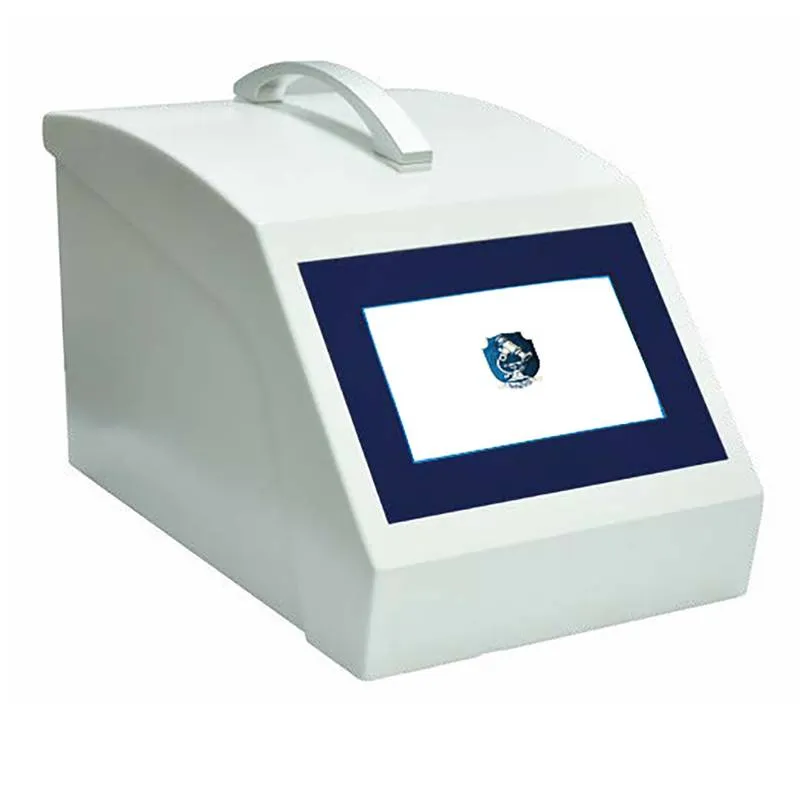
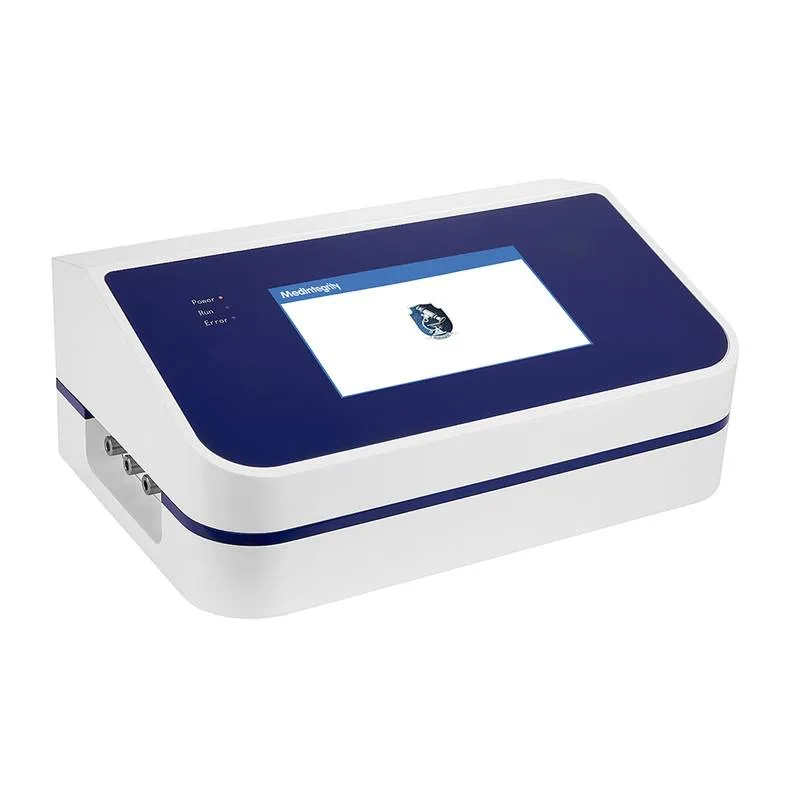
For labs that need exact work on a larger scale, the Filter Integrity Tester V8.0 brings sharp sensors and options for custom steps via a user-friendly screen. It handles all main test kinds and stays in line with worldwide rules for compliance. For smaller spaces or lab-based work, the Testador de integridade de filtro V6.5 gives right results without taking up much room.
Who Is MedIntegrity and Why Do Industry Leaders Trust Them?
MedIntegridade runs as a company based in the U.S. that focuses on making precise testing tools for the pharmaceutical field. With more than 15 years of know-how, their line of products covers filter integrity testers, TOC analyzers, osmometers, capsule filters, glove testers, and others. The ways they test meet what FDA, GMP rules ask for. They also fit the needs of USP and EP.
What makes them stand out comes from their full-service mindset. It goes from advice on tech to help with calibration after the sale. This setup helps buyers enjoy smooth running over time. Thousands of pharma companies around the world count on them. MedIntegrity keeps pushing new ideas where rules and results meet. You can find out more about what they offer at MedIntegrity. Their track record builds lasting trust among top players in the industry.
How Filter Integrity Testers Improve Bubble Leak Testing Accuracy
- Greater sharpness cuts down on failures that stay hidden in sterility checks.
- Automation lowers errors from people and raises how well tests match up.
- Combined digital setups make sure data stays trackable and ready for audits under worldwide rules.
FAQ
Q1: How does a filter integrity tester improve the reliability of bubble leak tests?
A1: It handles pressure settings on its own, gives ongoing review of data, and cuts out personal views from people watching. All this leads to results that stay true and match well across tests. In addition, it speeds up the process while keeping accuracy high for busy labs.
Q2: Can filter integrity testers be used with all types of membrane filters?
A2: Yes, most up-to-date testers work with many kinds of hydrophobic filters in pharma uses. Still, you should check fit based on the exact materials in your filters. This ensures smooth operation without issues.
Q3: What are the maintenance requirements for a filter integrity tester?
A3: Experts suggest doing checks often for calibration, updates to software, looks at sensors, and upkeep to prevent problems. These steps keep the device accurate and in line with rules over the years. Following them helps avoid surprises and supports ongoing quality work.
Postagens relacionadas
-
How Filter Integrity Tester Enhances Bubble Leak Test Accuracy
January 12,2026

 Portuguese
  English
  Russian
  Spanish
  German
  French
  Italian
  Arabic
  Dutch
Dutch  Japanese
  Vietnamese
  Korean
  Malay
Malay  Thai
Thai