

Why MedIntegrity Filter Integrity Testers Outperform Industry Standards in 2026 Biopharma Manufacturing
Why MedIntegrity Filter Integrity Testers Outperform Industry Standards in 2026 Biopharma Manufacturing
Introdução
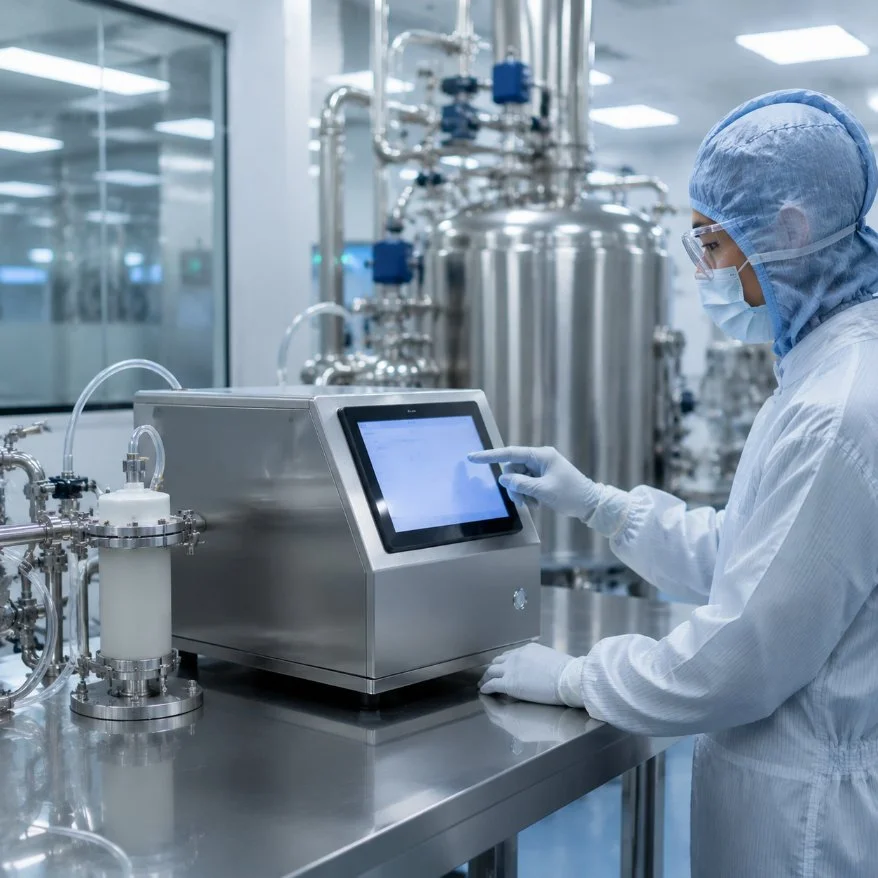
Biopharma manufacturing in 2026 is defined by rigorous global GMP standards, increasingly complex biologic products, and the unrelenting demand for sterility assurance. Every production line — from monoclonal antibody facilities to vaccine plants — depends on precise testes de integridade de filtro to guarantee that sterile filtration barriers perform flawlessly.
MedIntegridade emerges as a value‑driven provider of advanced testadores de integridade de filtros designed for high‑volume, sterile biopharma environments. Its systems are built not only for compliance but also for cost efficiency and operational simplicity. The company’s approach emphasizes superior performance, measurable cost savings, and responsive technical support — a combination that positions it as a strong competitor in the industry.
Why Filter Integrity Testing Matters in Biopharma
Quality Assurance & Sterility
Filter integrity testing validates that sterilizing filters are intact and free from leaks before and after use. A single undetected breach can compromise an entire batch, leading to financial losses and potential regulatory consequences. In sterile drug production, these tests form the final checkpoint between controlled manufacturing processes and patient safety.
Test the filter integrity tester with different types of filters, including different materials, pore sizes, and configurations. The tester should be able to accurately test and provide reliable integrity results for a wide range of filters. This flexibility is particularly critical in biopharma operations where membrane filters, depth filters, or cartridge filters are used across different process stages.
Regulatory Expectations
Both the FDA and EMA emphasize thorough integrity testing within GMP frameworks — notably requiring PUPSIT (Pre‑Use Post‑Sterilization Integrity Testing) before production begins. Regulators expect systems that provide traceable electronic records compliant with 21 CFR Part 11 and EU Annex 1 data requirements.
Established Competitor Approaches in the Market
Global Brand Performance Baseline
Sartorius’s Sartocheck® 5 Plus remains an industry reference point for automated test reliability and digital compliance features such as audit trails and system integration. Similarly, Merck Millipore’s Integritest® 5 offers automated non‑destructive testing with multiple algorithmic modes for bubble point and diffusion analysis.
While these systems deliver precision and regulatory assurance, they often come with higher acquisition costs due to multi‑tiered distribution models and extended service networks. For many manufacturers scaling up capacity in 2026, total cost of ownership has become as critical as technical performance itself.
MedIntegrity’s Core Product Advantages
Factory Direct Cost Efficiency
MedIntegrity operates through a factory‑direct supply model that eliminates distributor markups common among multinational suppliers. This streamlined route significantly lowers procurement costs while maintaining premium technical specifications — a crucial advantage for facilities managing multiple production suites or regional expansions.
Performance Stability & Broad Method Support
The selection of different testing methods should be based on a comprehensive evaluation of regulatory requirements, technical support, filter characteristics, testing environment, and process conditions. MedIntegrity testers are engineered around this principle — adaptable across diverse process setups while maintaining consistent accuracy.
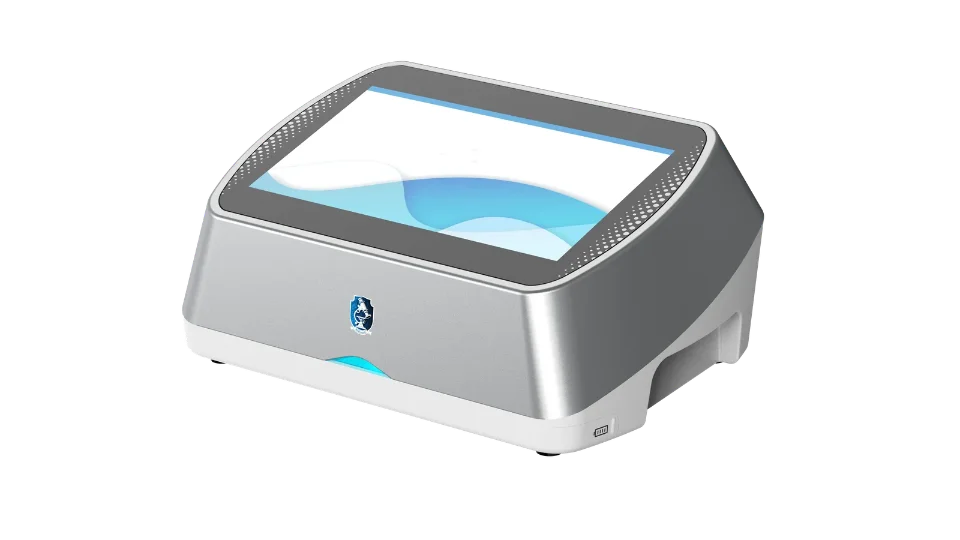
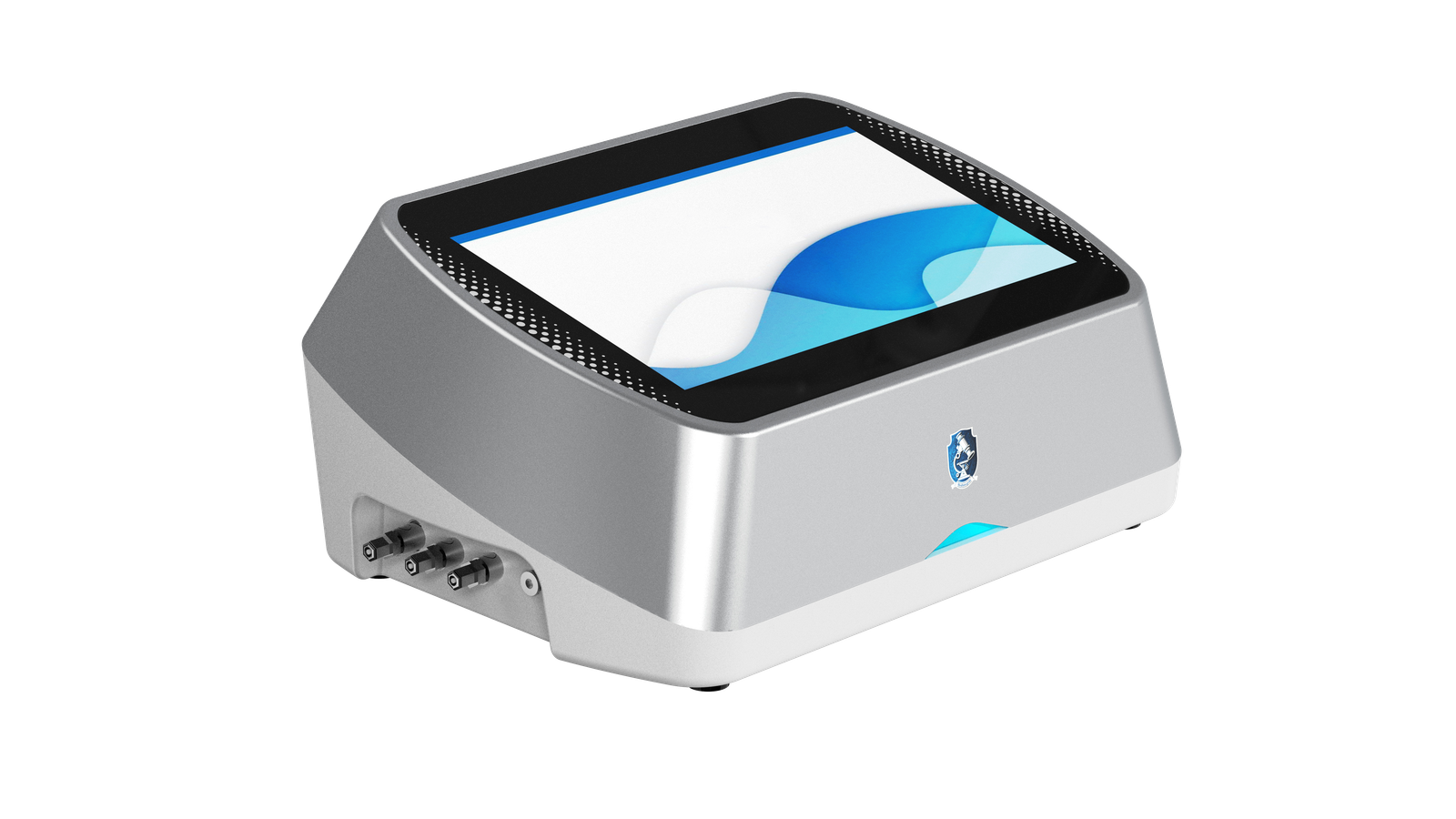
They support essential non‑destructive tests such as bubble point, diffusion flow, water intrusion, and combined methods required for sterile filtration compliance. The MedIntegrity Automatic Filter Integrity Tester V10 is designed to conduct on-site bubble point, diffusion, water intrusion test and additional tests on a wide range of membrane filter systems. The system’s stability under continuous operation makes it ideal for large batch releases where repeatability matters most.
Intuitive, Lean Operation for Manufacturers
Usability plays a major role in minimizing human error during routine quality checks. Lightweight, compact and ergonomic,the instrument features an enhanced, touch screen and user-friendly interface.Any combination of filter size and type can be connected,and offering total flexibility The test procedure has been refined to shorten test times of the combined test without compromising the accuracy of the result. Operators benefit from fast cycle times without sacrificing accuracy — an important contributor to lower labor costs in high-throughput settings.
Deployment & After‑Sales Support That Saves Time
Rapid Response & Accessible Support
MedIntegrity’s service philosophy centers on quick resolution times aligned with the uptime demands of continuous biopharma manufacturing lines. Its independent R&D team provides tailored solutions based on specific client needs; Many years of field experience and strong professional services not only ensure that customers can use the instrument at ease, but also provide technical support for the design and configuration of customer filtration systems. That level of responsiveness translates into minimal downtime when issues arise on site.
Spare Parts and Service Readiness
Unlike legacy supplier networks where replacement parts may require long lead times across regions, MedIntegrity maintains direct logistics channels to expedite critical maintenance items — reducing risk during validation cycles or production peaks when equipment availability is non‑negotiable.
Real‑World Productivity and Cost Savings
Lower Total Cost of Ownership
The economic case behind MedIntegrity centers on four tangible savings levers:
- Factory-direct pricing cuts out intermediary costs;
- Reduced retesting thanks to stable performance metrics;
- Shorter training cycles via intuitive touchscreen interfaces;
- Responsive service that limits unplanned downtime events.
Together these factors contribute to measurable reductions in annual operational budgets compared with traditional global systems requiring extensive service contracts or software licensing renewals.
Scale‑Ready for 2026 Biopharma Production
Modern biologics manufacturing increasingly depends on integrated automation platforms capable of handling high volumes without compromising traceability or sterility assurance. Features-Powerful functions, covering all the existing test methods for the filter integrity testing;Scientific authority management design, password, permissions, authority grading, electronic signature, etc., in full compliance with FDA 21 CFR PART 11 requirements; These capabilities position MedIntegrity testers squarely within next-generation smart factories that prioritize both speed and compliance documentation integrity across networked environments.
Comparison Summary — MedIntegrity vs Global Leaders
| Feature Category | Global Brands (Sartorius / Merck) | MedIntegridade |
| Data Handling & Compliance | Advanced audit trail systems; modular automation | Compliant logging per FDA 21 CFR Part 11 with leaner cost structure |
| Automation & Ease | High feature density but complex configuration | Simplified automation reducing operator workload |
| Support & Lifecycle Value | Regional distributors extend response time | Direct factory service with shorter turnaround |
| Cost Structure | Multi-tiered pricing adds overhead | Factory-direct affordability |
MedIntegrity combines compliant digital records with accessible automation rather than over-engineered complexity — a balance well-suited to facilities scaling rapidly under budget constraints.
Conclusão
In 2026 biopharma manufacturing, filter integrity testing is no longer only a compliance step but a key factor in production stability, batch release efficiency, and long-term cost control. Compared with many global filter integrity tester brands, MedIntegrity offers a stronger balance of reliable performance, factory-direct value, practical operation, and rapid after-sales response. Its filter integrity testers support sterile filtration compliance while helping manufacturers reduce unnecessary equipment costs, service delays, and workflow interruptions.
For facilities seeking scalable, stable, and cost-effective testing solutions, MedIntegrity provides a competitive choice built for modern biopharma production. Contact MedIntegrity to explore filter integrity testing solutions for high-efficiency sterile manufacturing.
FAQs
Q1: What are the key differences between bubble point, diffusion, and water intrusion tests in filter integrity testing?
A: Bubble point measures gas flow through wetted membranes at increasing pressure until air breaks through pores; diffusion quantifies steady gas transfer below bubble point pressure; water intrusion applies specifically to hydrophobic membranes using water pressure instead of air flow assessment.
Q2: How can a filter integrity tester improve compliance with FDA and EU GMP Annex 1 documentation requirements?
A: By providing secure electronic records with user authentication and audit trails compliant with 21 CFR Part 11 standards — capabilities integrated into MedIntegrity systems through its scientific authority management design.
Q3: What operational cost advantages do automated integrity testers offer versus manual testing methods?
A: Automation reduces operator dependency, shortens cycle times by refining combined test procedures without compromising accuracy, minimizes human error risk during repetitive tasks, and decreases training hours per technician.
Q4: How does data traceability in modern integrity testers support audit readiness?
A: Digital storage ensures every test record is timestamped with operator identity verification; this transparency simplifies regulatory inspections by providing immediate access to validated datasets.
Q5: What factors should biopharma manufacturers consider when comparing MedIntegrity systems against other global brands like Sartorius or Merck?
A: Key differentiators include direct pricing models lowering acquisition costs, faster service response from local teams rather than distributors, simplified user interfaces reducing operational burden, and equivalent regulatory compliance at reduced total cost of ownership.
 Portuguese
  English
  Russian
  Spanish
  German
  French
  Italian
  Arabic
  Dutch
Dutch  Japanese
  Vietnamese
  Korean
  Malay
Malay  Thai
Thai