

Filter Integrity Test Time: What Affects the Complete Testing Cycle?
Filter Integrity Test Time: What Affects the Complete Testing Cycle?
There is no fixed number of minutes for every filter integrity test. The filter, test method and preparation state determine what has to be done. For procurement, filter integrity test time should cover an agreed piece of work, with a clear start and finish. A measurement-only duration leaves preparation, stabilization and record handling outside the comparison.
The first questions about a demonstration are quite specific. Was the filter already wetted? Did timing stop when the result appeared, or after its record was ready for review? Procurement teams and distributors need those answers before comparing filter integrity testing equipment for a production workload. A number without its conditions is difficult to use.
What a quoted test time actually covers
A quotation might use “test time” for the measurement alone or for a longer sequence. The purchaser needs to know which meaning applies. Four stages are worth separating, even where one instrument program handles more than one of them.
| Cycle stage | Timing boundary to agree |
| 준비 | Filter identification, program selection, connections and required conditioning. |
| 안정화 | The specified period or conditions before measurement begins. |
| 측정 | The selected integrity test at its approved settings. |
| Completion | Required records and preparation of the setup for its next task. |
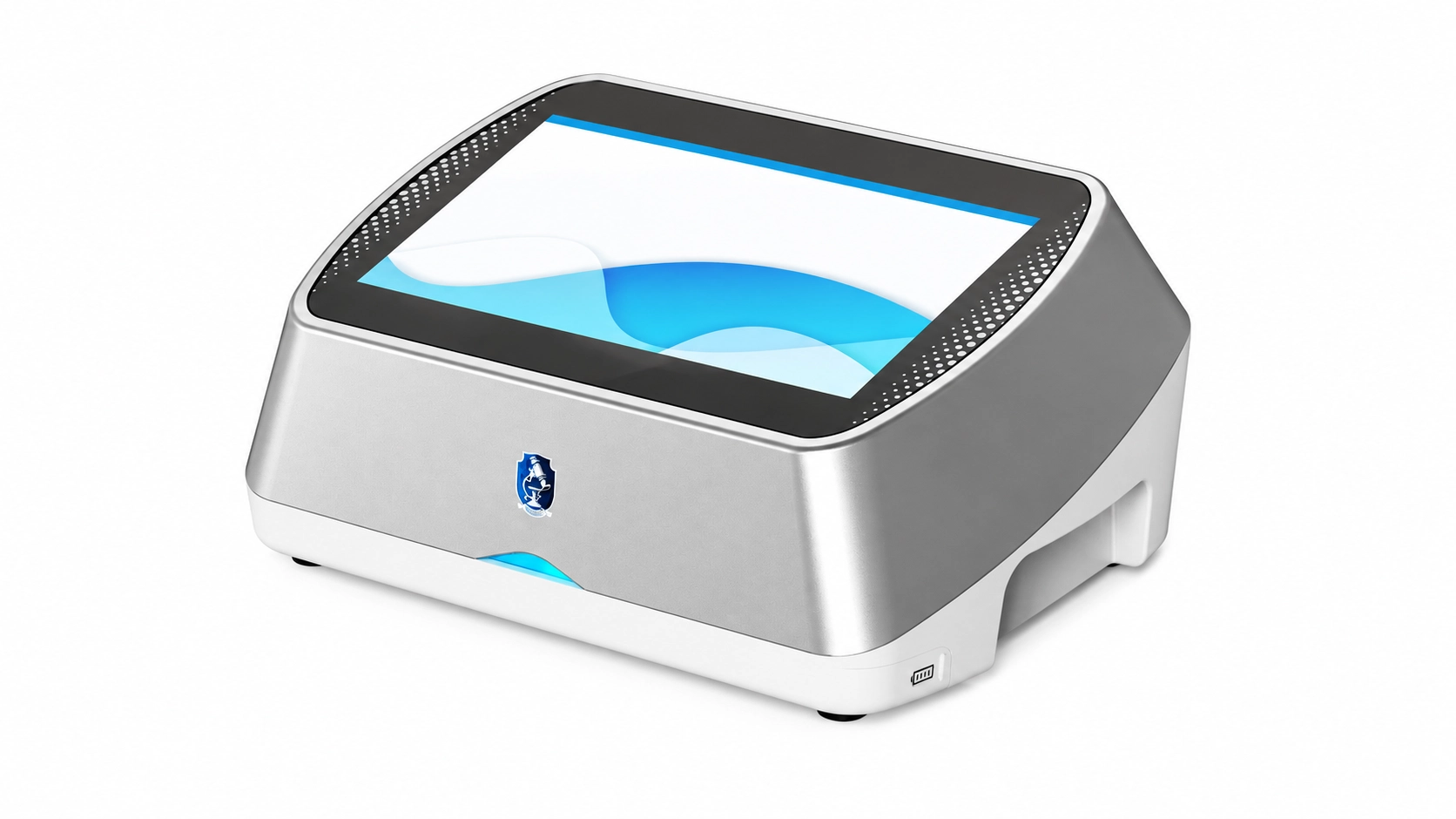
Records can change the finishing point substantially. For example, the Medintegrity V6.5 필터 무결성 테스터 has a built-in printer and data export. A purchasing evaluation should specify which output is needed, who handles it and when that task is complete. Storage for 5,000 historical records is useful when reviewing the record-handling routine. It does not establish how fast the instrument completes a test.
There are two clocks to consider: how long the equipment is occupied and how much operator time the job consumes. Stabilization can keep the tester occupied without constant attention. Connections or record checks may instead hold up a shared operator. Buying another tester will not necessarily remove a staffing constraint.
Why the filter and test method change the answer
Bubble point, diffusion flow, pressure hold and water intrusion are different tests. Their settings and purposes cannot be exchanged simply to produce a shorter demonstration. The applicable method and approved filter parameters come first; timing follows that decision.
A change of housing or connected upstream volume changes the setup under test, even if the instrument stays the same. Filter size, wetting medium and starting temperature also need to be recorded. Those details make it possible to tell whether a supplier’s timed assembly represents the end user’s assembly.
Temperature deserves particular attention in pressure-based testing. As the assembly settles, a temperature change can affect the pressure behavior being measured. The technical analysis of temperature effects on integrity testing examines this problem. Its worked examples explain a source of error, rather than prescribing one stabilization time for every pharmaceutical filter.
Distributors can use the overview of 제약 필터 무결성 테스트 방법 to clarify which test the end user requires. The inquiry still needs named filters and their approved settings. “Fastest tester” is not enough information to decide whether a proposed demonstration answers the purchasing question.
How to compare supplier timing claims
A useful equipment comparison controls two things: the work entering the test and the work needed after measurement. Both should be agreed before the demonstration starts.
Test assembly and starting condition
Suppose one demonstration starts after conditioning, while another starts before it. A longer reported duration in the second demonstration would not establish that its instrument is slower. The timing sheets first need to show where each demonstration began and which preparation tasks were done outside that window.
The demonstration plan should name the filter reference, housing arrangement, wetting medium and starting temperature. It should also distinguish a newly prepared assembly from one already ready for measurement. Any preparation performed before the stopwatch starts still needs a place in the production schedule.

The fastest run is worth recording, but it cannot describe the variation across repeated work. The receiving technical and quality teams should agree how representative runs and interruptions are documented. Procurement can then compare equivalent work, with exceptions visible rather than removed from the record.
Record handling and the cycle endpoint
A screen result leaves an obvious purchasing question: what happens to the record next? If the required endpoint is a file ready for review, timing must extend through that task. The demonstration should include the filter identifiers and program details needed to make the record usable.
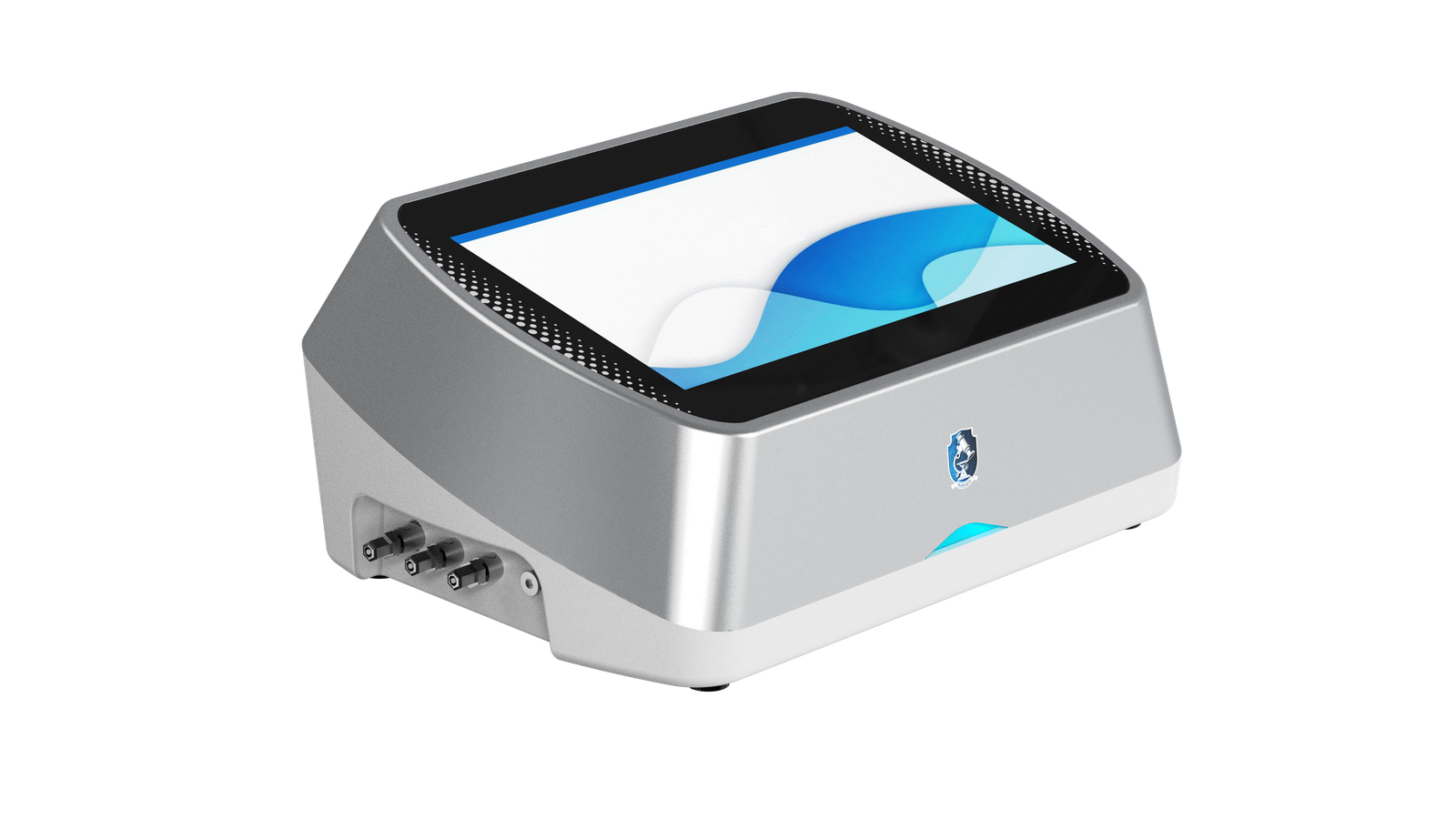
The Medintegrity V10 필터 무결성 테스터 stores 1,000 preset programs and allows USB export of original test data. These functions give the evaluation a concrete sequence: select the intended program, perform the test and transfer the required record. Timing that sequence helps assess the proposed workflow without treating program capacity as evidence that every test will finish sooner.
A filter integrity tester manufacturer may discuss qualification, routine testing and batch-release review in the same meeting. Their durations serve different schedules. Initial qualification is part of introducing the equipment; release review concerns the batch decision. Neither duration should be silently added to, or substituted for, the recurring instrument cycle.
Turning a complete cycle into daily capacity
A measured cycle becomes a capacity estimate only after the rest of the working day is accounted for. The starting point is the task or resource that finishes last and holds up the next cycle.
Identify the limiting resource
One tester may be the constraint. In another arrangement, filter preparation or a shared operator may finish later. Overlapping tasks only increases throughput where the actual setup and approved procedures allow it. Instrument run time alone does not reveal that arrangement.
A first capacity estimate divides the available operating time by the measured complete-cycle duration. Changeovers, scheduled checks and other work reduce the time available. The calculation therefore needs observations from the intended workload before it can support an equipment or staffing decision.
Allow for the workload mix
The first test of a working period may include preparation that later tests do not. Different filter references can also require program changes or a different setup. A capacity estimate should describe the expected mix instead of applying the quickest observed cycle to every filter.
A useful demonstration report therefore separates daily startup, recurring cycles and changes between jobs. Repeated testing after an unexpected result should not be built into the normal output claim. Such events require the facility’s own investigation procedures.
What belongs in a filter integrity testing equipment quotation
An inquiry to a filter integrity tester supplier should contain enough detail to plan the demonstration, not just identify an instrument category. Distributors need the same end-user information that a direct purchaser would supply. The following items belong in the initial request:
- Filter references, membranes and the intended assembly.
- Required test methods and the source of approved settings.
- Preparation state at the start of timing.
- Daily workload, filter changes and operator availability.
- Required records and the agreed cycle endpoint.
Medintegrity provides instrument training and technical support, including operation and maintenance training. The quotation discussion should establish who needs instruction and what support is included. This helps the receiving team prepare for the proposed workflow while leaving application-specific cycle qualification with the responsible site teams.
The conditions attached to the duration should stay with the quotation. Otherwise, an end user may receive a timing figure after its preparation assumptions have been lost in exchanges between the technical contact, distributor and purchasing department. The configuration and the conditions need to be reviewed together.
An application-specific duration may still be unknown at quotation stage. In that case, the order discussion can identify a demonstration as an open requirement, with an agreed reviewer. A catalog duration from another filter does not close that requirement merely because the tester model is the same.
결론
A short measurement can be useful without being the complete answer to “how long does filter integrity testing take?” Procurement needs the duration of the work the site actually intends to perform. Filter identification, approved settings, preparation and the final record all belong in that discussion.
The next step is a demonstration built around the intended workload. To discuss a filter integrity testing requirement with Medintegrity, provide the filter references, methods, daily workload and required output. For a proposed filter integrity test system, these details provide the basis for a focused V6.5 or V10 evaluation.
FAQ는
Can stabilization time be shortened to increase capacity?
Only where the applicable method and supporting qualification evidence justify the change. Stabilization establishes suitable measurement conditions. A shorter setting needs technical and quality review before it is used in a supplier comparison or capacity estimate.
Does faster measurement always mean more tests per shift?
No. Preparation, a shared operator or record handling may still limit the output. A shorter measurement improves throughput only to the extent that it frees the resource constraining the actual workflow.
Can one timing result cover every filter reference?
Only with evidence that the stated filters and conditions are represented. Otherwise, separate observations may be needed for different methods, assemblies or preparation states. The report should identify which references its cycle time covers.
What should accompany a distributor’s timing claim?
The method, assembly, starting condition, included tasks and finishing point should travel with the number. This preserves its meaning when a technical discussion becomes a commercial quotation and prevents measurement time from being presented as a complete cycle.

 Korean
 English
 Russian
 Spanish
 Portuguese
 German
 French
 Italian
 Arabic
 Dutch
 Japanese
 Vietnamese
 Malay
 Thai