

Ensuring Safety: The Role of Glove Integrity Tester in Isolators
Ensuring Safety: The Role of Glove Integrity Tester in Isolators
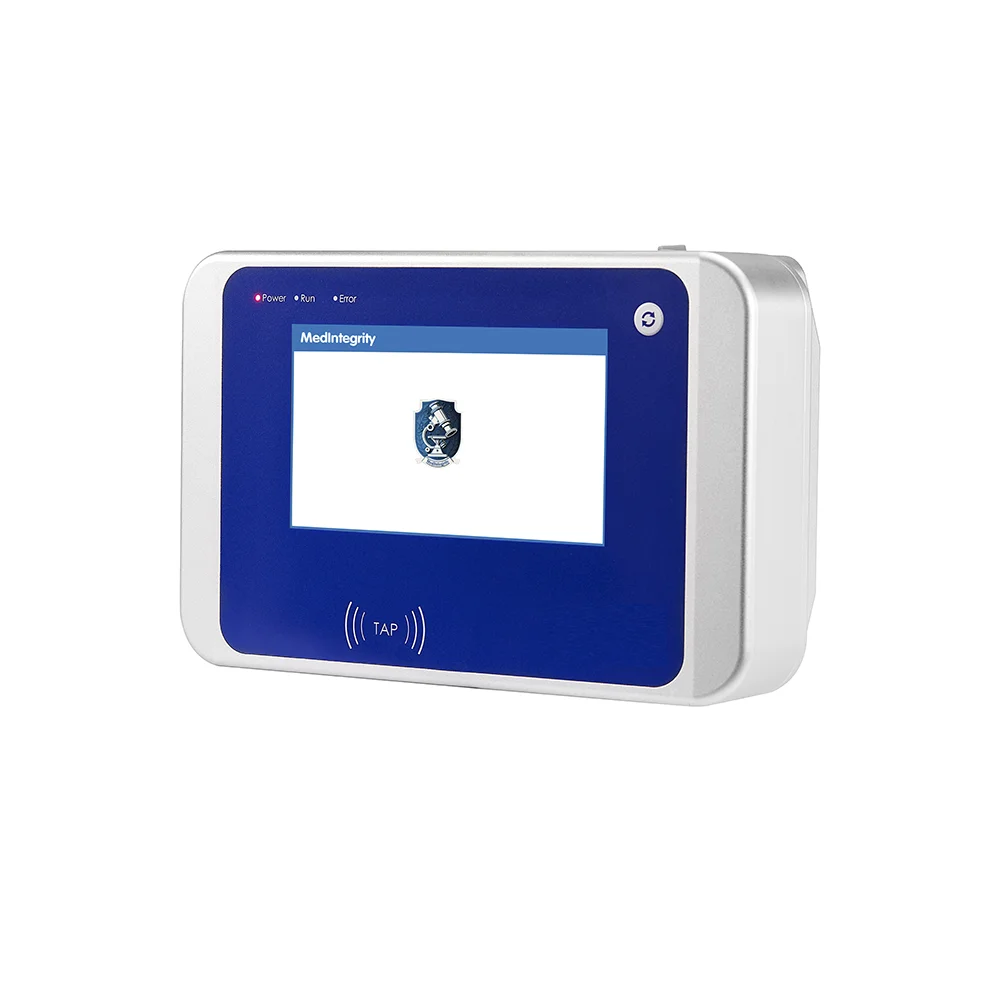
In the strictly controlled setting of pharmaceutical production, isolators and Restricted Access Barrier Systems (RABS) play a vital part in upholding clean conditions. These sealed setups create a managed space that reduces human involvement and protects product purity. The glove ports built into these setups act as the key connection between workers and clean areas. They enable handling of items without risking the protective shield.
Over recent years, the worldwide industry for injectable drugs has acknowledged that staff pose the main threat concerning germ pollution in clean, pure products. This awareness has pushed the growth of isolators and RABS tools toward clean, pollution-free environments, and it does so by keeping people away from clean parts. Both methods add a layer of protection to the procedure. They boost the separation level between workers and the cleaned items, parts, and surfaces that touch the product. These are needed for putting together the pure product from its separate pieces in a clean way.
We at MedIntegrity focus on aiding this goal. We create modern glove integrity testing tools that make sure each glove in an isolator holds a solid, clean shield. Our dedication to exactness and dependability forms the base of our position as a reliable ally for labs around the world.
Risks Associated with Compromised Glove Integrity
Even a small break in glove strength can lead to serious issues. A hole or rip might let germs enter, and this could cause pollution that ruins whole batches of production. Such events not only endanger patient health but also bring expensive withdrawals and failures to meet rules.
The EU GMP Annex 1 update clearly states that a glove integrity test is basic for proper checks before and after production in a clean process. During this, outside pollution can harm the quality of the product, and this rule stresses that gloves need checking both before and after making. The aim is to confirm if pollution occurred in key tasks. Thus, it ensures the following Quality Risk Management ideas. Strong testing played a crucial role in proving purity guarantee levels in every stage of production.
Functionality of Glove Integrity Testers
Glove integrity testers work based on proven physical rules, and they aim to spot leaks or flaws in gloves used in isolators or RABS. Popular testing ways include pressure decay, vacuum decay, and helium leak detection. Each one checks if a glove can keep an air-tight seal under set conditions.
On the rule-making side, the glove integrity test appears in ISO 14644-7 Annex E.5. There, the pressure decay test is noted as fitting for finding any holes or rips that cause sealing issues on the isolator. Pressure decay testing remains one of the most commonly used methods, which offers ease and steady results across various machines. Set testing times are key for constant safety checks, and they allow spotting early signs of damage from use before it turns into procedure problems.
Our cordless systems use cutting-edge pressure decay measurement tech, which can find leaks as tiny as a few microns. Our WGT-1000 Wireless Glove Testing system applies pressure decay methods and MedIntegrity wireless tech to give very precise outcomes. With the skill to spot leaks of just a few microns, these systems yield number-based results for long-term pattern review and data tracking.
Types of Glove Integrity Testers and Their Applications
Automation has changed how labs confirm glove function. Machine-driven testers provide steady repetition. At the same time, they cut down the effect of the user on outcomes. Handheld testers offer ease by permitting checks right at the spot, which happens without halting the flow. As a result, normal checks can occur smoothly at many spots.
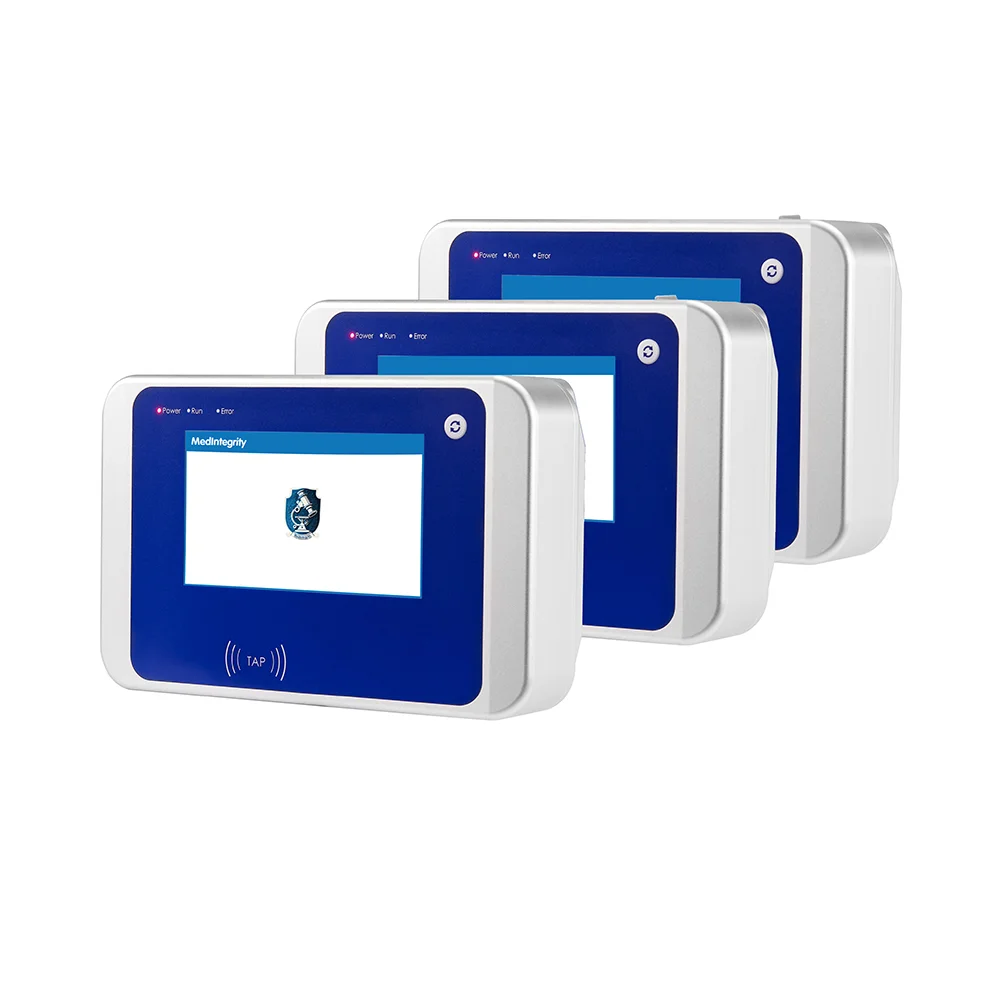
Our Glove Integrity Tester WGT-1200 shows this progress well. It is a forward-thinking multi-point cordless system made for cleanroom isolators, and RABS uses in pharmaceutical settings. MedIntegrity Multi-points Wireless glove integrity tester WGT-1200 is a forward and fully machine-driven glove leak testing system with pressure decay measurement for canroom isolators and RABS, etc, in the pharmaceutical industry. The operation is straightforward without tubes and wires. The test method is monitoring the pressure loss of the glove/sleeve assembly over a defined time. User-friendly interface and could generate specific recipes for different types of material gloves, depending on the customer’s accuracy requirements. Integration with isolator control software enhances operational efficiency while maintaining compliance with GMP standards.
Implementing Effective Testing Protocols
A solid testing plan starts with setting standard performance measures for fresh gloves before use. Then, regular tests need planning at fixed times. These depend on how often they are used, the surroundings, and danger reviews. This forward-thinking way ensures spotting early wear from constant bending or chemical contact.
All test outcomes must be carefully recorded to aid rule checks and tracking needs. Since the glove is the likely main source of pollution, it must be checked before and after production in order to guarantee correct production, to verify if contamination occurred during production, and during each critical phase of the production process. This habit matches EU GMP Annex 1 hopes for ongoing quality checks through clean handling periods.
Training Personnel on Proper Testing Procedures
The success of any glove integrity program depends a lot on trained staff who know how to use the testing gear correctly. Full training plans should include both basic ideas, like how pressure differentiates the es act, and how to correct parts. These cover tool setup, outcome reading, and upkeep tasks.
Ongoing update meetings help groups keep up with new tech. Examples include cordless links or automatic report features in current testers like our Glove Integrity Tester WGT-1000. Wireless is the key element of this project. This device is suitable for period/routine testing of the physical integrity of glove-sleeve(gantlet) combinations of isolating precision in every test run, which builds responsibility. Meanwhile, it guards product standards.
MedIntegrity: A Trusted Supplier for Laboratory Equipment
We feel proud to be more than just a manufacturer of gear. We are allies devoted to improving lab safety via new ideas. Our range includes top-level lab tools built for exact work in tough cleanroom setups. It’s a state-of-the-art, economic glove testing system that determines the integrity of glove/sleeves or gauntlets of isolator systems and RABS.
At MedIntegrity, steadiness guides each choice in design. This goes from simple touch-screen setups that ease use to safe entry limits that shield key process details. Our wide support options ensure steady top performance over each tool’s full life. They help customers keep to the rules while boosting output.
Conclusion
Glove integrity testers strengthen safety steps by giving clear proof that shields stay whole during cleaning tasks. They help keep high marks in pharmaceutical making by stopping germ entry at a weak spocleaninge worker link. Steady new ideas in leak spotting sharpness, machine skill, and cordless joining stay vital. This is as business hopes shift to more openness and smooth work. For labs looking for reliable answers fit to their cleanroom setups, we welcome you to check our whole line at MedIntegrity. Or, contact us via our page to talk about custom setups for your methods.
FAQ
Q1: What is the primary function of a glove integrity tester?
A1: The primary function is to detect leaks or breaches in gloves used within isolators, ensuring they maintain a sterile barrier essential for aseptic processing reliability.
Q2: How often should glove integrity testing be conducted?
A2: Frequency depends on operational risk assessments but should form part of regular maintenance schedules before each critical batch run or shift cycle.
Q3: Can glove integrity testers be integrated into existing isolator systems?
A3: Yes, many modern testers are designed for seamless integration with existing control architectures—enhancing operational efficiency while maintaining full regulatory compliance across all testing activities.
 English
  Russian
  Spanish
  Portuguese
  German
  French
  Italian
  Arabic
  Dutch
Dutch  Japanese
  Vietnamese
  Korean
  Malay
Malay  Thai
Thai