

Essential Role of RTP Integrity Tester in Sterility Assurance
Essential Role of RTP Integrity Tester in Sterility Assurance

In sterile manufacturing, keeping the integrity of each transfer process is essential for product safety and regulatory compliance. Rapid Transfer Ports (RTPs) serve as key parts in pharmaceutical manufacturing, especially in sterile production settings. They enable the aseptic transfer of materials between isolators, cleanrooms, or other controlled areas while preserving sterility and blocking contamination. This function lets operators shift sterile materials without weakening environmental containment or adding microbial dangers.
RTP systems do more than just provide physical barriers. They act as a main assurance tool within Good Manufacturing Practice (GMP) guidelines. These systems separate operators from vital materials, which cuts down the risk of human contamination. Experts know this as the leading cause of microbial entry in aseptic processing. For many years, the worldwide parenteral industry has seen that personnel pose the biggest threat to microbial contamination in aseptically made sterile products. As experts in sterility assurance, we offer advanced RTP integrity testing options like our RTP Integrity Tester. This tool makes sure every port keeps its planned containment level during material transfers in various cleanroom grades.
Key Features of RTP Integrity Testers
To protect sterility during production, a reliable RTP integrity tester needs to blend accurate technology with practical flexibility. Medintegrity’s RTP integrity testing systems create a secure and sterile enclosed space for the most important testing steps. It is a modern, cost-effective RTP testing device that checks the integrity of RTPs in isolator systems and RABS. These testers handle several testing approaches, such as Pressure Hold, Pressure Decay, and Flow Testing. Users can thus validate ports in different situations.
Another strong point is compatibility. The system works with both Alpha and Beta container connections. It also fits round or oval port shapes, so it suits various setups in pharmaceutical and biologics production sites. Medlntegrity WRTP-1000 port interface’s design is a reliable one. It features a custom fit for the RTP port on your isolator.
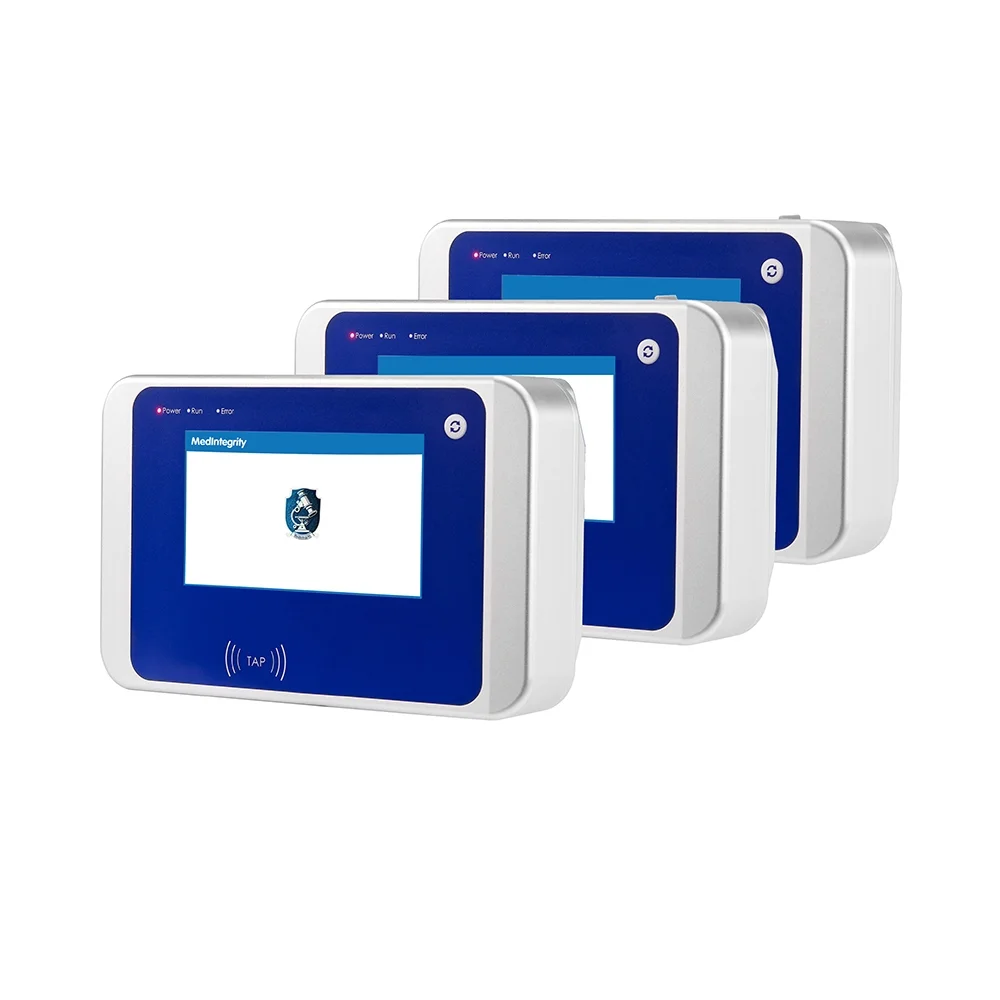
Wireless communication boosts traceability even more. The Integrity Tester WRTP–1000 for RTP includes a wireless router, which allows a password-protected, read-only download of leak test data to a distant computer. Each set of leak test data gets saved automatically in its own file. Then, that file downloads for viewing and storage. These options keep every test record safe and in line with electronic documentation rules.
Compliance and Regulatory Standards
Regulatory compliance supports the core of any sterility assurance program. Testing the integrity of Rapid Transfer Ports (RTPs) is a vital part of pharmaceutical manufacturing, above all in sterile production areas. Following international rules (like those from the FDA and EMA), sticking to standards (such as ISO 14644 and ISO 13408), and applying industry best practices (from PDA and ISPE guidelines) are all necessary. They help guarantee the performance and dependability of RTPs.
Our testers meet the FDA 21 CFR Part 11 rules for electronic records fully. They also align with EU Annex 1 needs for sterile production sites and GAMP 5 principles for software validation. This compliance not only aids GMP certification but also builds trust among auditors and clients about process reliability.
Integration and User-Friendly Design of RTP Systems
When adding new sterility assurance tools to current setups, smooth integration matters a lot. Our RTP integrity tester links easily with other automated systems or isolators already in place. Its flexible setup handles different port sizes, both round and oval ones. As a result, it adapts to various equipment types without expensive changes or pauses in work.
The system’s structure fits with facility automation plans, which offer network links for central monitoring or matching batch records. This kind of integration flexibility raises productivity. At the same time, it ensures steady validation for all linked units.
User Interface and Operational Ease
Simple operation affects efficiency in high-containment areas, where operators must limit their exposure time. The touchscreen allows straightforward control of machine functions for the operator, all while protected by a four-level access security system. A basic user interface lets technicians run tests fast with little training. Yet, it keeps full traceability via multi-level access controls.
Moreover, the tester’s practical design aids quick cleaning routines, which is key for staying ready between production runs. As an excellent and modern RTP integrity tool, this device works mainly in classified spaces. Being easy to clean, it requires less time to prepare for use, which saves time and resources.
Practical Applications of RTP Integrity Testers
In pharmaceutical production lines, where sterility failures can cause big financial losses or recalls, RTP integrity testers serve a protective role. They confirm tight seals before every transfer. This helps ensure drug substances shift safely between filling lines, lyophilizers, or inspection zones without risks of cross-contamination. By checking physical containment barriers on a regular basis, manufacturers hold steady environmental classification levels across their processes. In this way, they meet GMP requirements for aseptic control.
Biologics Manufacturing Applications
Biologic products require even tighter control against contamination because of their sensitivity to microbes. Our system allows safe transfers between various cleanroom levels during upstream or downstream tasks. It keeps bioburden-free conditions at every stage. This feature makes sure cell culture media or protein mixtures stay free from contamination during filtration or packaging. Such needs match current biologics facility designs that focus on closed-system handling.
Use in Cleanroom Environments
Cleanrooms used for medical device assembly or sterile packaging depend strongly on proven transfer methods to guard product quality. Regular checks with our RTP integrity tester verify that all ports hold their intended pressure resistance against particle entry. Its use goes beyond pharmaceuticals into areas like diagnostic production, where tiny leaks might harm test accuracy or patient safety.
MedIntegrity: A Trusted Partner for Laboratory Equipment
We go beyond just supplying equipment. We act as partners dedicated to improving worldwide sterility assurance standards through new ideas and top service. At MedIntegrity, we focus on lab tools made for regulated fields, including pharmaceuticals, biotechnology, and healthcare tech areas.
Our full range includes analysis devices, environmental monitoring tools, and special containment check systems like RTP testers. All dare developed under strict quality controls. We stress quick technical help and ongoing maintenance plans to keep performance strong in sites around the world. Our goal is to provide dependable solutions. These let clients face changing regulatory demands with assurance while boosting efficiency in their operations. Feel free to contact us!
Conclusion
The RTP integrity tester stays vital in today’s aseptic processing areas. It guards material transfers from contamination risks and backs compliance with global standards like FDA 21 CFR Part 11 and EU Annex 1. With its easy integration, simple operation interface, wireless traceability options, and fit for various port shapes, it becomes a must-have for any site focused on top sterility assurance.
FAQ
Q1: What is the primary function of an RTP integrity tester?
A1: The primary function is to ensure the integrity of Rapid Transfer Ports, preventing leaks or breaches that could compromise sterile environments.
Q2: How does an RTP integrity tester contribute to regulatory compliance?
A2: By ensuring all transfers maintain sterility, it helps meet stringent industry standards such as FDA 21 CFR Part 11, EU Annex 1, and GAMP 5.
Q3: Can RTP integrity testers be used with different types of ports?
A3: Yes, they are compatible with a variety of port shapes and sizes—including both circular and elliptical designs—enabling seamless integration into diverse cleanroom configurations before reaching out through our contact page for further consultation via our website’s contact section.
 English
  Russian
  Spanish
  Portuguese
  German
  French
  Italian
  Arabic
  Dutch
Dutch  Japanese
  Vietnamese
  Korean
  Malay
Malay  Thai
Thai