

In-Process Filter Integrity Testing with V10: Why, When & How for 2026 Compliance
In-Process Filter Integrity Testing with V10: Why, When & How for 2026 Compliance
Introduction
Global rules for biopharma are getting stricter. This change affects how makers handle clean production. The 2026 updates to EU GMP Annex 1 stress solid data handling, risk checks, and ways to stop contamination. So, testing filter strength during the process shifts from a good idea to a must-do step.
MedIntegrity’s Filter Integrity Tester V10 shows up right on time. It handles automated checks that meet rules. This helps companies under more watch on clean filtering steps. The V10 goes beyond basic lab gear. It links rules and smooth work flows digitally.
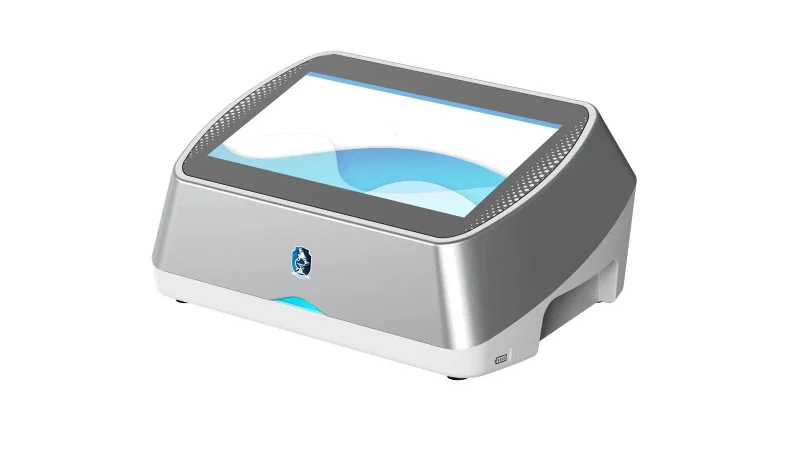
This piece looks at why testing filter integrity in-process counts a lot. It covers when to do it in the making cycle. And it explains how the V10’s automation helps follow rules and improve steps. With strong data protection, quick runs, and fit for various filters, the setup readies operations for full 2026 biopharma compliance. It cuts risks, speeds output, and keeps clear records. MedIntegrity keeps setting the bar for exact filter checks in pharma.
Why In-Process Filter Integrity Testing Matters in Biopharma
In making sterile drugs, each filter step holds risk. One faulty filter might let germs into a batch that costs millions. Regulators demand tough checks on strength before and after use for that reason.
“The integrity of the sterilised filter should be verified before use and should be confirmed immediately after use by an appropriate method such as a bubble point, diffusive flow or pressure hold test.” This line from EU GMP Annex 1 makes clear that pre- and post-checks stay essential for filters that sterilize in clean making.
Besides keeping patients safe, the money side makes sense too. Poor tests can miss filter breaks or germ slips. Such problems often lead to rejected batches or fines from regulators. In one plant I recall from industry talks, a skipped check cost over $500,000 in lost product—not uncommon these days.
A good grasp of germs in the liquid helps gauge the danger from a broken filter to the drug. This links straight to risk management ideas that shape today’s plans against contamination.
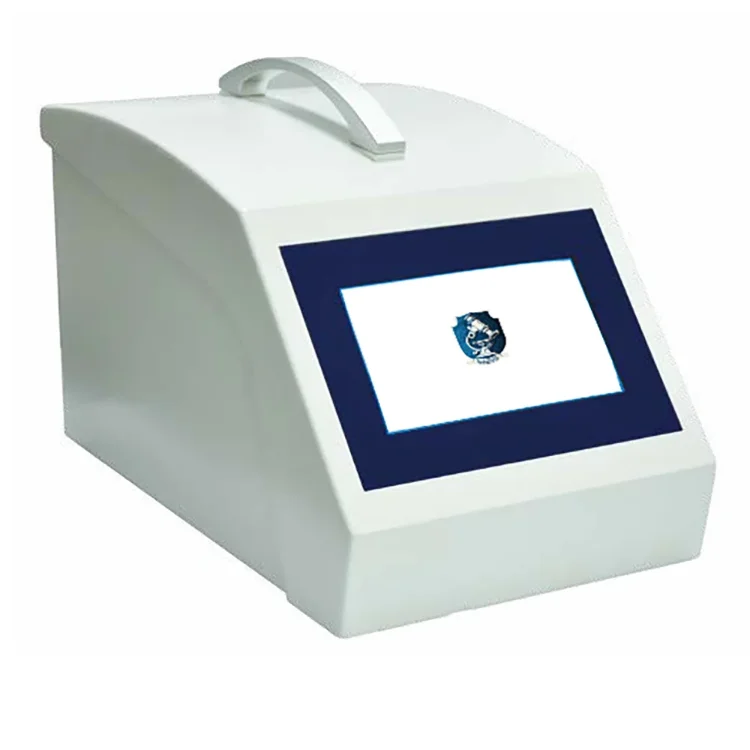
As biologic production grows toward 2026 goals, strong steps matter more. Tools like MedIntegrity’s V10 swap hand-done methods full of slip-ups for exact tests with digital logs. Building on the proven foundation of the Filter Integrity Tester V6.5, the V10 brings significant improvements in test speed, interface design, and data management capabilities. Outcomes include quicker choices, less wait time, and full tracking that matches new GMP needs.
When to Perform In-Process Filter Integrity Testing
Figuring out the right time to test matters as much as the testing itself. Rules point to key spots in clean making where strength checks fit best.
| Stage | Purpose | Typical Test Methods |
| Pre-use Post-Sterilization (PUPSIT) | Confirms no damage occurred during sterilization | Bubble Point / Diffusive Flow |
| During Setup or Installation | Detects leaks or connection faults before processing | Pressure Hold / Water Intrusion |
| Post-Use / End-of-Batch | Validates continued performance after filtration | Diffusive Flow / Bubble Point |
“The integrity of the sterilised filter assembly should be verified by integrity testing before use… A sterilising grade filter that is used to sterilise a fluid should be subject to a non-destructive integrity test post-use prior to removal of the filter from its housing.” These points form the core of Annex 1’s rules for sterile filtering.
Back in the day, just checking after use worked fine. But now, risk-based plans push for checks during the process. They give real-time proof. Spotting issues early—like in setup, not after filling—stops later germ problems and keeps lines running.
MedIntegrity’s V10 handles these checks on a flexible schedule. It won’t halt ongoing lines. Set sequences run planned steps during switches or clean-ups. This keeps output steady and lines up with rules. Think of a busy biologics run: without it, a delay could add hours, but V10 keeps things moving.
How to Implement In-Process Filter Integrity Testing with V10 Automation
Putting automated strength checks in place starts with seeing how MedIntegrity’s Filter Integrity Tester V10 fits current routines.
Step-by-Step Overview
- System Setup:Connect the tester inline or offline depending on process design.
- Filter Selection:The V10 automatically recognizes different cartridge or membrane filters.
- Test Configuration:Operators choose from validated methods—bubble point, diffusive flow, water intrusion, or pressure hold.
- Execution:The instrument runs precise measurements using high-sensitivity sensors.
- Result Logging:Data are encrypted and stored within secure audit trails compliant with 21 CFR Part 11 and EU Annex 11.
Features cover all current test methods for filter strength checks. And the smart access setup uses passwords, levels of rights, and digital signs. All this meets FDA 21 CFR Part 11 standards fully.
The 15.6-inch touch screen makes handling easy. Plus, multi-test options let it check several filters at once. That helps big biologic setups a ton. In practice, during a validation run at a mid-sized facility, this cut setup time by 20 minutes per batch—small wins add up.
Automation Advantages
- Automatic self-tests verify instrument readiness before each cycle.
- Secure electronic records eliminate paper-based documentation errors.
- Customizable industrial bus interfaces (RS232/USB) enable seamless integration into supervisory control systems.
- Remote monitoring allows engineers to review results instantly from cleanroom terminals.
From picking the right wetting liquid to setting parameters, MedIntegrity offers advice matched to each site’s setup. Test approaches and settings might adjust based on filter traits. This flexibility gives spot-on results for membranes with different hole sizes or builds.
Automation eases tasks. But it turns following rules into a built-in part of the job, not something tacked on. Not every site loves the learning curve at first, yet most say it pays off quick.
Achieving 2026 Compliance and Operational Optimization with V10
Regulators eye digital tracking and risk checks more as 2026 nears. The MedIntegrity V10 tackles this with auto-reports that fit risk management ideas.
Choosing test types comes from weighing rules, tech help, filter details, site conditions, and process needs. This approach lets makers hit Annex 1 changes smoothly. It also allows bend for different products.
Numbers show the gains:
- Test cycles complete up to 30% faster than manual setups.
- Error rates drop significantly due to automated calibration checks.
- Micro-defect detection sensitivity improves by nearly an order of magnitude compared with legacy testers.
Real examples highlight results. One biologics firm saw 15% more output per shift. Rejects fell too, thanks to early catches. All with logs ready for audits in moments. It’s solid, though occasional software glitches pop up—like in any tech.
Ahead, sites using V10 gear up for smart upkeep tools with AI. Common in future plants. Starting with sharp data now preps sterile work for rules and fresh ideas past 2026. Industry vets note it’s a smart move, especially with rising costs.
Conclusion & Call to Action
Testing filter integrity during process has grown from a simple step to a key part of clean strategy. Grasping why, when, and how shapes top work now. And it secures rule-keeping later.
MedIntegrity’s Filter Integrity Tester V10 brings that skill via automation rooted in proven science and daily use. It lets makers not just reach but hold 2026 compliance. All while keeping production nimble.
For groups updating clean filter plans or checking new biologic lines fast—reach out to MedIntegrity now. Ask for a demo or custom fit plan based on process details.
FAQs
Q1: What is in-process filter integrity testing and why is it required under EU GMP Annex 1?
A: In-process filter integrity testing verifies that sterilizing-grade filters maintain their microbial retention capability throughout use. “The integrity of the sterilised filter assembly should be verified by integrity testing before use… A sterilising grade filter that is used to sterilise a fluid should be subject to a non-destructive integrity test post-use prior to removal.” These checks ensure product sterility per EU GMP Annex 1 expectations.
Q2: When should PUPSIT be performed in sterile biopharma manufacturing?
A: PUPSIT—Pre-use Post-Sterilization Integrity Testing—should occur immediately after sterilization but before filtration begins. It confirms no damage occurred during autoclaving or steaming steps that could compromise barrier function later in processing.
Q3: What test methods does the Filter Integrity Tester V10 support for in-process testing?
A: The system performs bubble point, diffusive flow, pressure hold, and water intrusion tests using high-accuracy sensors suitable for both hydrophilic and hydrophobic filters across diverse pore sizes.
Q4: How does V10 automation improve compliance and efficiency for 2026 biopharma requirements?
A: Automation eliminates manual recording errors through secure electronic signatures compliant with 21 CFR Part 11 while cutting test times significantly—supporting continuous manufacturing goals tied to upcoming 2026 regulations emphasizing digital traceability.
Q5: Can the Filter Integrity Tester V10 be integrated into existing aseptic processing lines?
A: Yes. Its modular architecture includes RS232/USB interfaces plus optional industrial bus connections enabling online or offline integration without major equipment redesigns—a practical route toward smarter pharmaceutical filtration systems ready for future compliance demands.
 English
  Russian
  Spanish
  Portuguese
  German
  French
  Italian
  Arabic
  Dutch
Dutch  Japanese
  Vietnamese
  Korean
  Malay
Malay  Thai
Thai