

TOC Analyzer Calibration Guide for GMP Facilities
TOC Analyzer Calibration Guide for GMP Facilities
Introduction
Total Organic Carbon (TOC) analyzers hold a key spot in Good Manufacturing Practice (GMP)-compliant pharmaceutical water systems. These include Purified Water (PW) and Water for Injection (WFI). Such systems help keep product safety solid. They also meet rules like USP <643>, EP 2.2.44, and FDA 21 CFR Part 11. Solid TOC readings back up contamination control. This way, organic impurities won’t harm the final product’s quality or patient safety.
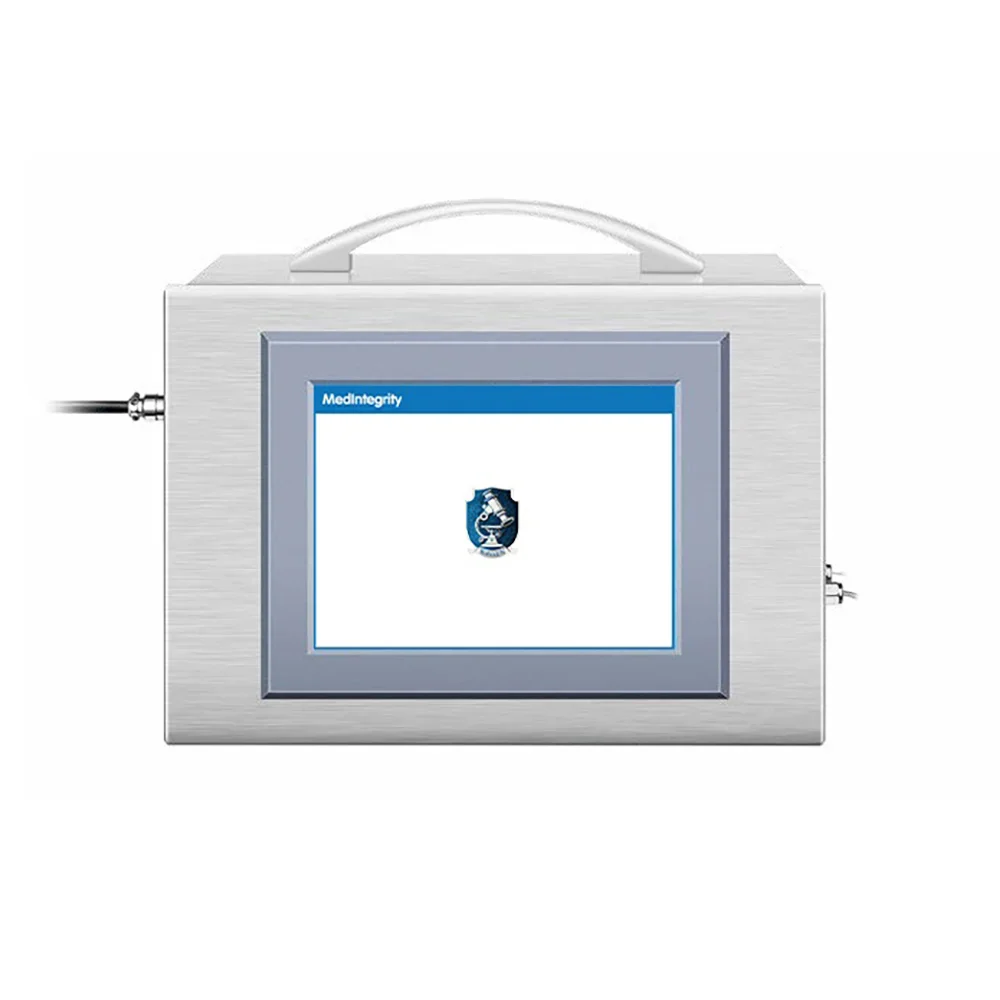
Good calibration goes beyond a simple chore. It stands as a must for compliance. This affects data reliability, audit prep, and stopping contamination. Steady calibration builds traceability. That’s vital during checks from groups like the FDA or EMA.
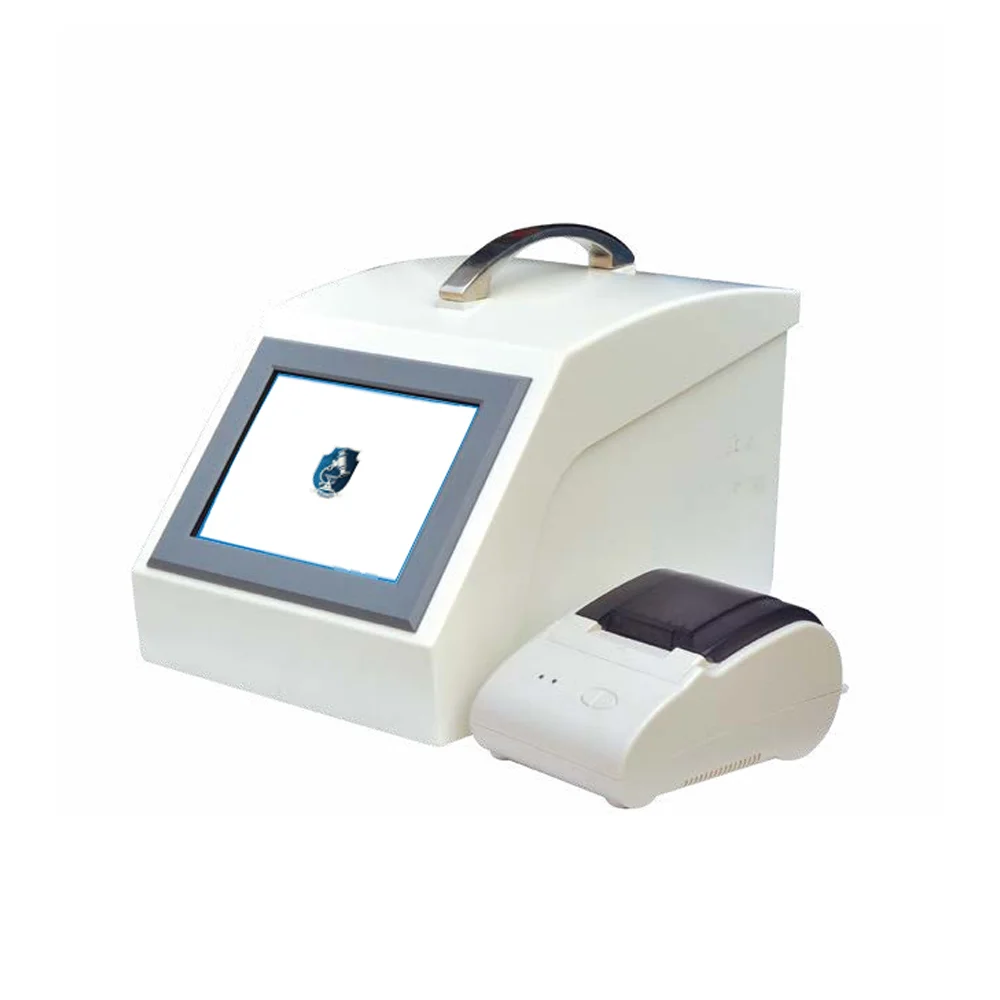
MedIntegrity’s GMP-compliant TOC Analyzers fit right into pharmaceutical setups where exactness rules. These tools focus on steady work. They come with extra maintenance help that matches worldwide GMP needs. The build style echoes MedIntegrity’s wider view in filtration testing systems. There, the goal stays clear: “The desired quality of the final product can only be obtained when the entire production process is adequately safeguarded against contamination.”
This guide covers all main parts of TOC Analyzer Calibration. It includes everyday steps, fixing usual problems, handling supplies, and handy tips to stretch equipment life in tough GMP spots.
Why Daily Calibration Matters in GMP Facilities
Daily calibration ranks as more than a choice. It fits regulatory demands under USP <643> and EP 2.2.44. These call for checking analyzer function before any use. Calibration keeps the tool’s output in proven bounds. So, TOC results show real water quality, not just machine slip.
Regular calibration brings real gains. For one, it spots even small contamination hits early, before they grow. Plus, it cuts downtime by catching issues soon and fixing them fast. And it boosts the analyzer’s life since well-tuned machines face less wear from fix-up mistakes.
MedIntegrity TOC Analyzers handle FDA, GMP, USP, and EP rules without hassle. Their built-in features aid ongoing watch programs. These tie into fresh contamination control plans. In those, the idea holds: “A complete understanding of the potential bioburden in the fluid can help ascertain the risk of a damaged filter to the drug product.” The same logic works for water system checks. Baseline knowledge stops hidden shifts.
Step-by-Step Daily Calibration Operation
Preparation (10–15 minutes)
Pull together all needed items first. That means certified standards, like potassium hydrogen phthalate or sucrose mixes. Add zero-ppb reagent water, clean glassware, and proper PPE. Check oxygen gas supply, power setup, and reagent amounts based on the MedIntegrity manual.
Step 1: System Warm-Up and Blank Check
Turn on the analyzer. Let it settle for a few minutes. Then run a reagent-water blank. The starting point should hit under 0.1 ppm C.
Step 2: Prepare and Run Calibration Standards
Grab pre-made or new standards at levels such as 0.2 ppm, 0.5 ppm, 1.0 ppm, 2.0 ppm, and 5.0 ppm C. Feed each one in order, using the autosampler or by hand.
Step 3: Perform System Suitability and Linearity Check
Figure out linearity, aiming for r² above 0.995. Also check response strength against USP/EP limits.
Step 4: Apply Calibration Curve and Verify
Store the fresh calibration curve. Next, test a check standard. Results should stay within ±10–15% of true values.
Step 5: Documentation and Release
Log every result in the electronic notebook or approved GMP setup. Then green-light daily runs.
Estimated Time: ~45 minutes per session
Frequency: Daily or at each shift start
Common Faults and Troubleshooting (Step-by-Step Guide)
Strong analyzers still hit snags now and then. Here’s a list of usual signs, with fix steps:
| Fault | Likely Cause | Resolution Steps |
| High Blank/TOC Readings | Contaminated reagents or tubing | Replace reagents → Clean tubing → Rerun blank → Inspect UV lamp/catalyst |
| Low Sensitivity / No Response | Oxygen flow issue or leaks | Check gas pressure → Prime pumps → Inspect for leaks → Recalibrate |
| Alarm/Fault Codes (e.g., low O₂) | Empty reagents or blocked lines | Review error log → Replace consumables → Restart system |
| Inconsistent Linearity / Drift | Dirty sample lines or worn components | Clean lines → Run full suitability test → Contact MedIntegrity if unresolved |
Most issues resolve in under 30 minutes with basic tools on hand. The trick is logging everything as a deviation only when necessary, which keeps the quality team from drowning in paperwork.
For facilities running the TA-2.0 of TOC Analyzer or similar models, these troubleshooting steps align closely with the unit’s interface and built-in diagnostics.
Consumables Replacement Cycle and Procedure
Supplies matter a lot for steady output over months.
Recommended Replacement Cycles
| Component | Typical Cycle | Notes |
| Reagents (acid/oxidizer) | Every 1–3 months | Replace sooner if alarm triggers |
| UV lamps / catalysts | Every 6–12 months | Use only certified parts |
| Tubing & filters | Every 3–6 months | Inspect visually for wear |
| Standard solutions | Every 3–6 months | Store refrigerated |
Replacement Process
- Shut down the analyzer with care. Release any pressure.
- Empty old reagents. Set up new containers.
- Swap out parts with MedIntegrity kits.
- Flush the lines. Do a calibration after.
- Track part codes and dates in upkeep logs.
These moves fit GMP standards overall. As in, “The integrity of other filters should be confirmed at appropriate intervals.” Steady reviews block surprise stops in production. Real-world tip: Swapping reagents every two months in a busy WFI line cut error alerts by nearly 30%.
Practical Operation Precautions and Best Practices to Extend Equipment Lifespan
Everyday checks turn smooth runs into the norm, not luck. They dodge pricey halts.
- Do quick daily looks for drips or gunk near sample spots.
- Watch reagent amounts tight. Dry runs wreck pumps inside.
- Stick to MedIntegrity-approved supplies to skip mismatch woes.
- Keep the area steady on temp. Shifts mess with outputs.
- Train staff well on the controls to cut slip-ups from fumbling.
Every quarter, run full checks as part of the site’s upkeep plan. This lines up with sterile filtration checks from MedIntegrity. There, it says: “The integrity of the sterilised filter assembly should be verified by integrity testing before use.” That approach for test tools keeps regulators and checkers happy.
With regular attention, setups often hit over five years of solid use. They slash surprise stops by half versus neglected ones. Not always perfect, but close enough for most shifts.
Conclusion
Sticking to this guide holds GMP rules tight. It also pulls top work from MedIntegrity TOC Analyzers in pharma spots. Think purified water lines to WFI makers. Steady calibration guards data strength. Careful upkeep stretches tool life. Both build a strong base for contamination plans. These match fresh rules based on Quality Risk Management. At core: “The need for a defined and documented contamination control strategy…is at the heart of recent updates to regulatory guidance.”
For custom help, like site training, real supplies, or deep fixes, reach MedIntegrity’s tech crew. They tailor aid to the facility’s setup.
FAQs
Q1: How often should I perform daily calibration on my MedIntegrity TOC Analyzer in a GMP facility?
A: Perform calibration daily at shift start or before use; conduct full system suitability quarterly per validated SOPs.
Q2: What are common causes of high TOC blank readings?
A: Usually contaminated standards or aged reagents; replace them immediately, clean tubing thoroughly, then rerun blank verification.
Q3: Which consumables require frequent replacement?
A: Acid/oxidizer reagents every few months; UV lamps annually; tubing semi-annually—all using MedIntegrity-certified components for compliance assurance.
Q4: Can minor faults be fixed internally without voiding compliance?
A: Yes—basic alarms like low O₂ or reagent empty can be resolved internally following this guide; persistent deviations must be escalated formally under GMP documentation rules.
Q5: How does regular calibration extend my TOC Analyzer lifespan?
A: It minimizes sensor drift, reduces mechanical stress on dosing systems, keeps performance stable across audits—and typically adds several years of reliable service life under continuous operation conditions common in GMP facilities focused on equipment maintenance excellence related to TOC Analyzer Calibration practices within regulated environments.
 English
  Russian
  Spanish
  Portuguese
  German
  French
  Italian
  Arabic
  Dutch
Dutch  Japanese
  Vietnamese
  Korean
  Malay
Malay  Thai
Thai